by Matthew Jaffe
WASHINGTON - The Treasury Department and the Federal Reserve lied to the American public last fall when they said that the first nine banks to receive government bailout funds were healthy, a government watchdog states in a new report released today.
![[FILE - In this Sept. 19, 2008 file photo, President George W. Bush, second left, accompanied by, from left, Federal Reserve Chairman Ben Bernanke, then Treasury Secretary Henry Paulson, and then Securities and Exchange Commission Chairman Christopher Cox, delivers a statement about the economy and government efforts to remedy the crisis in the Rose Garden of the White House in Washington. (AP Photo/Pablo Martinez Monsivais, file)]](http://www.commondreams.org/files/article_images/liars_large.jpg "liars_large.jpg")
"Contemporaneous reports and officials' statements to SIGTARP during this audit indicate that there were concerns about the health of several of the nine institutions at that time and, as detailed in this report, that their overall selection was far more a result of the officials' belief in their importance to a system that was viewed as being vulnerable to collapse than concerns about their individual health and viability," Barofsky says.
Last October, the government was in the midst of trying to contain the worst financial crisis in decades. On Sept. 7, 2008, mortgage giants Fannie Mae and Freddie Mac were placed under conservatorship. On Sept. 15, the massive investment bank Lehman Brothers filed for bankruptcy. The next day, insurance giant AIG needed an $85 billion government loan to avoid collapse.
http://www.commondreams.org/headline/2009/10/05

www.malaymail.com/news/world/2026/01/11/bomb-attac…

BANGKOK, Jan 11 — A series of late-night bomb attacks targeted 11 PTT petrol stations in Thailand’s southern border provinces of Narathiwat, Pattani and Yala…
www.khaama.com/at-least-eight-refugees-die-37-resc…

At least eight refugees died and 37 were rescued when their boat sank off Badmeli near Izmir, Turkish authorities said on Saturday.
katu.com/news/local/oregon-confirms-first-measles-…

Health officials in Oregon have confirmed the state's first measles cases of 2026, with two people diagnosed in Linn County.
abc11.com/post/measles-north-carolina-state-report…
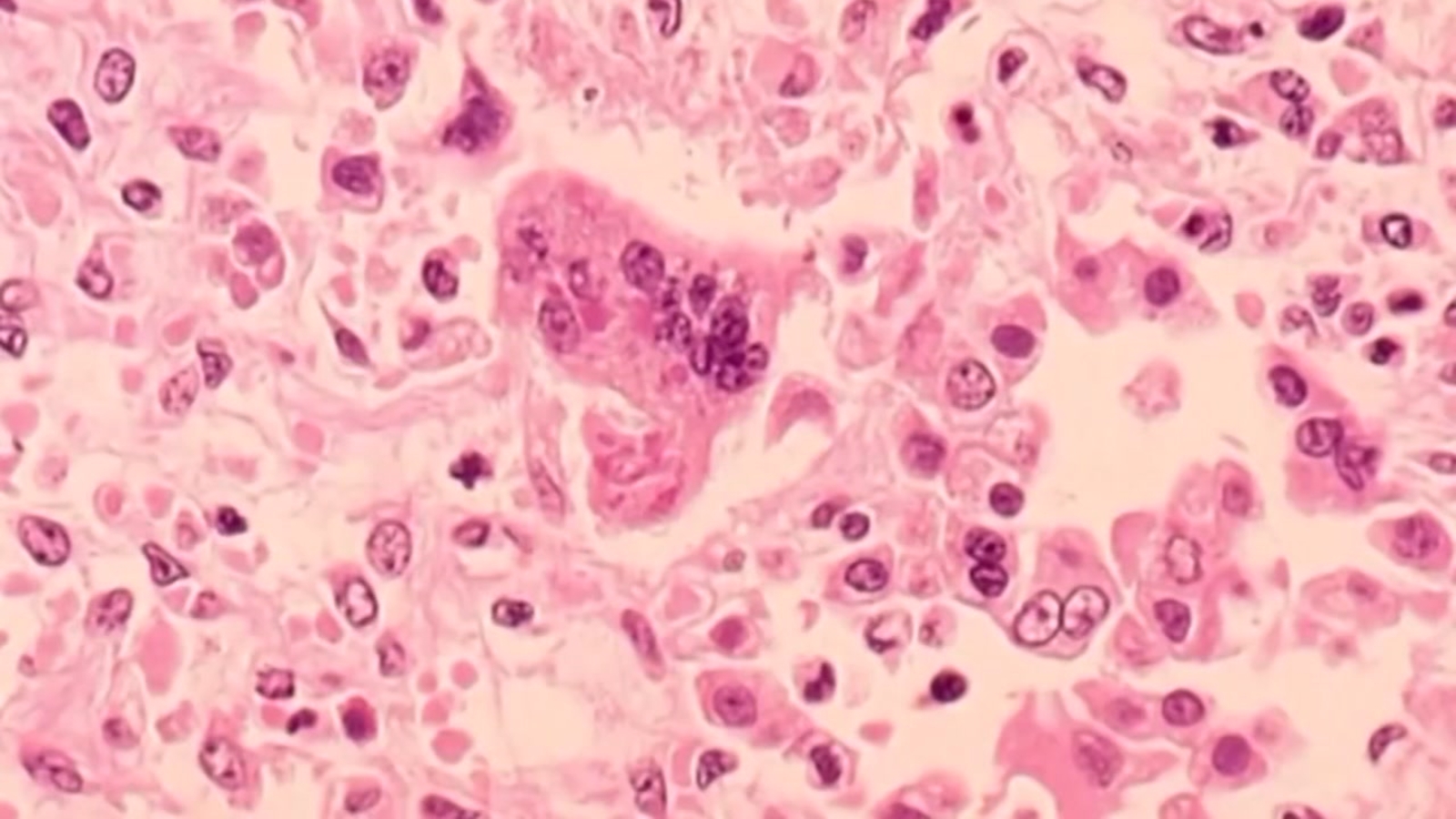
Measles in North Carolina: State reports 5th case linked to South Carolina surge