Graphical abstract. Credit: ACS Central Science (2025). DOI: 10.1021/acscentsci.5c00918
by The Korea Advanced Institute of Science and Technology (KAIST) -- Phys.org
Researchers are using quantum computing to design porous materials for catalysts, separation membranes, and energy storage materials.
Multivariate porous materials (MTV) are like a "collection of Lego blocks," allowing for customized design at a molecular level to freely create desired structures. Using these materials enables a wide range of applications, including energy storage and conversion, which can significantly contribute to solving environmental problems and advancing next-generation energy technologies.
Korea Advanced Institute of Science and Technology (KAIST) researchers have, for the first time, introduced quantum computing to solve the difficult problem of designing complex MTVs, opening an innovative path for the development of next-generation catalysts, separation membranes, and energy storage materials.
A paper by KAIST researchers, "Quantum Computing-Based Design of Multivariate Porous Materials," is published in the journal ACS Central Science.
Professor Jihan Kim's research team at the university's Department of Chemical and Biomolecular Engineering has developed a new framework that uses a quantum computer to efficiently explore the design space of millions of MTV.
(more)

www.malaymail.com/news/world/2026/01/11/bomb-attac…

BANGKOK, Jan 11 — A series of late-night bomb attacks targeted 11 PTT petrol stations in Thailand’s southern border provinces of Narathiwat, Pattani and Yala…
www.khaama.com/at-least-eight-refugees-die-37-resc…

At least eight refugees died and 37 were rescued when their boat sank off Badmeli near Izmir, Turkish authorities said on Saturday.
katu.com/news/local/oregon-confirms-first-measles-…

Health officials in Oregon have confirmed the state's first measles cases of 2026, with two people diagnosed in Linn County.
abc11.com/post/measles-north-carolina-state-report…
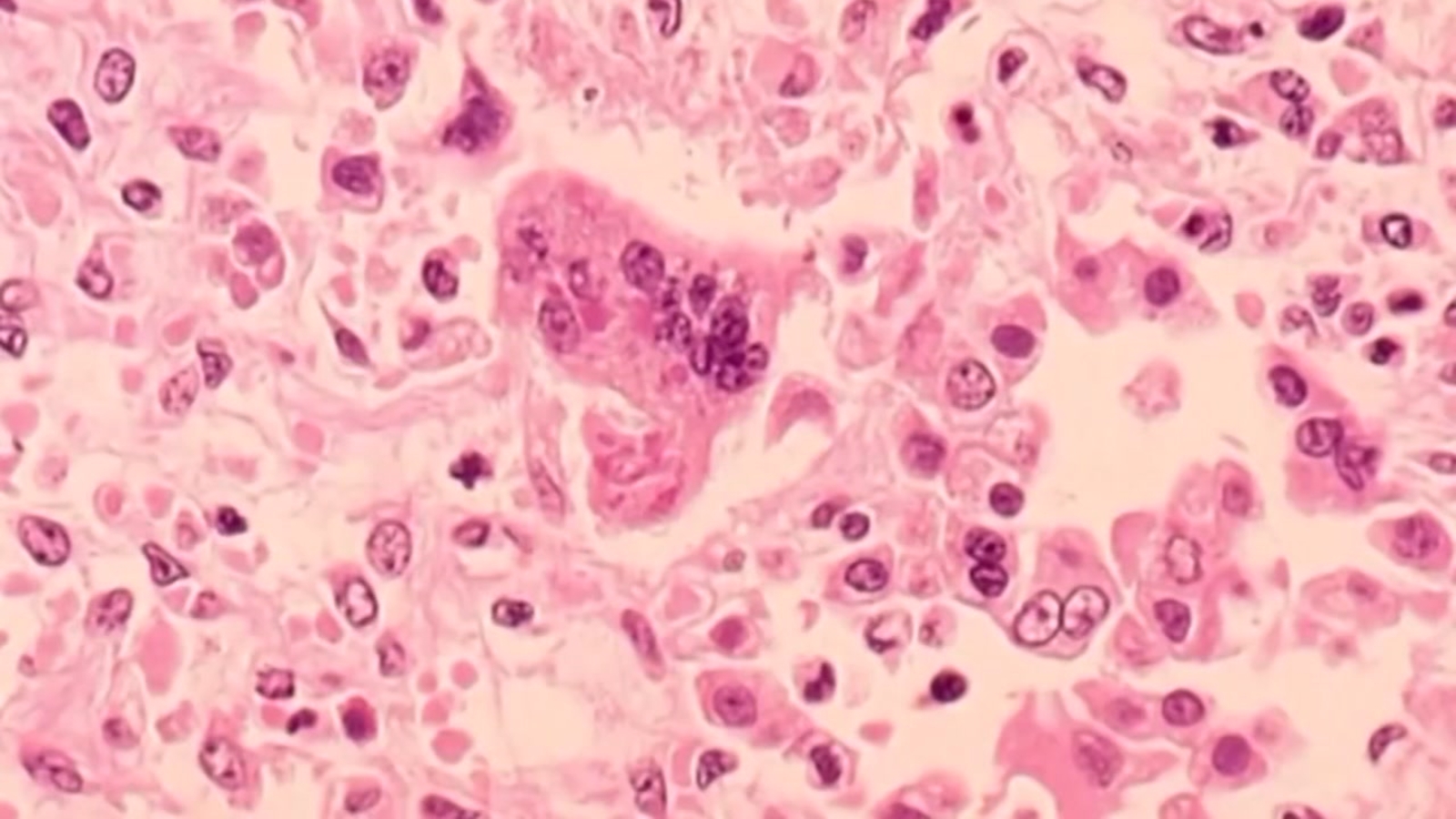
Measles in North Carolina: State reports 5th case linked to South Carolina surge