 Rocks in the Bright Angel Formation. NASA's Mars Perseverance rover acquired this image using its Right Mastcam-Z camera. Mastcam-Z is a pair of cameras located high on the rover's mast. This image was acquired on May 29, 2024 (Sol 1164) at the local mean solar time of 12:40:40. Credit: NASA/JPL-Caltech/ASU
Mars Perseverance rover data suggest the presence of past microbial life
Sept. 14, 2025
A new study co-authored by Texas A&M University geologist Dr. Michael Tice has revealed potential chemical signatures of ancient Martian microbial life in rocks examined by NASA's Perseverance rover.
The findings, published by a large international team of scientists, focus on a region of Jezero Crater known as the Bright Angel formation -- a name chosen from locations in Grand Canyon National Park because of the light-colored Martian rocks. This area in Mars's Neretva Vallis channel contains fine-grained mudstones rich in oxidized iron (rust), phosphorus, sulfur and—most notably—organic carbon.
Although organic carbon, potentially from non-living sources like meteorites, has been found on Mars before, this combination of materials could have been a rich source of energy for early microorganisms.
"When the rover entered Bright Angel and started measuring the compositions of the local rocks, the team was immediately struck by how different they were from what we had seen before," said Tice, a geobiologist and astrobiologist in the Department of Geology and Geophysics.
"They showed evidence of chemical cycling that organisms on Earth can take advantage of to produce energy. And when we looked even closer, we saw things that are easy to explain with early Martian life but very difficult to explain with only geological processes."
Tice went on to explain that "living things do chemistry that generally occurs in nature anyway given enough time and the right circumstances. To the best of our current knowledge, some of the chemistry that shaped these rocks required either high temperatures or life, and we do not see evidence of high temperatures here. However, these findings require experiments and ultimately laboratory study of the sample here on Earth in order to completely rule out explanations without life."
The team published its findings in Nature.
(more)

www.malaymail.com/news/world/2026/01/11/bomb-attac…

BANGKOK, Jan 11 — A series of late-night bomb attacks targeted 11 PTT petrol stations in Thailand’s southern border provinces of Narathiwat, Pattani and Yala…
www.khaama.com/at-least-eight-refugees-die-37-resc…

At least eight refugees died and 37 were rescued when their boat sank off Badmeli near Izmir, Turkish authorities said on Saturday.
katu.com/news/local/oregon-confirms-first-measles-…

Health officials in Oregon have confirmed the state's first measles cases of 2026, with two people diagnosed in Linn County.
abc11.com/post/measles-north-carolina-state-report…
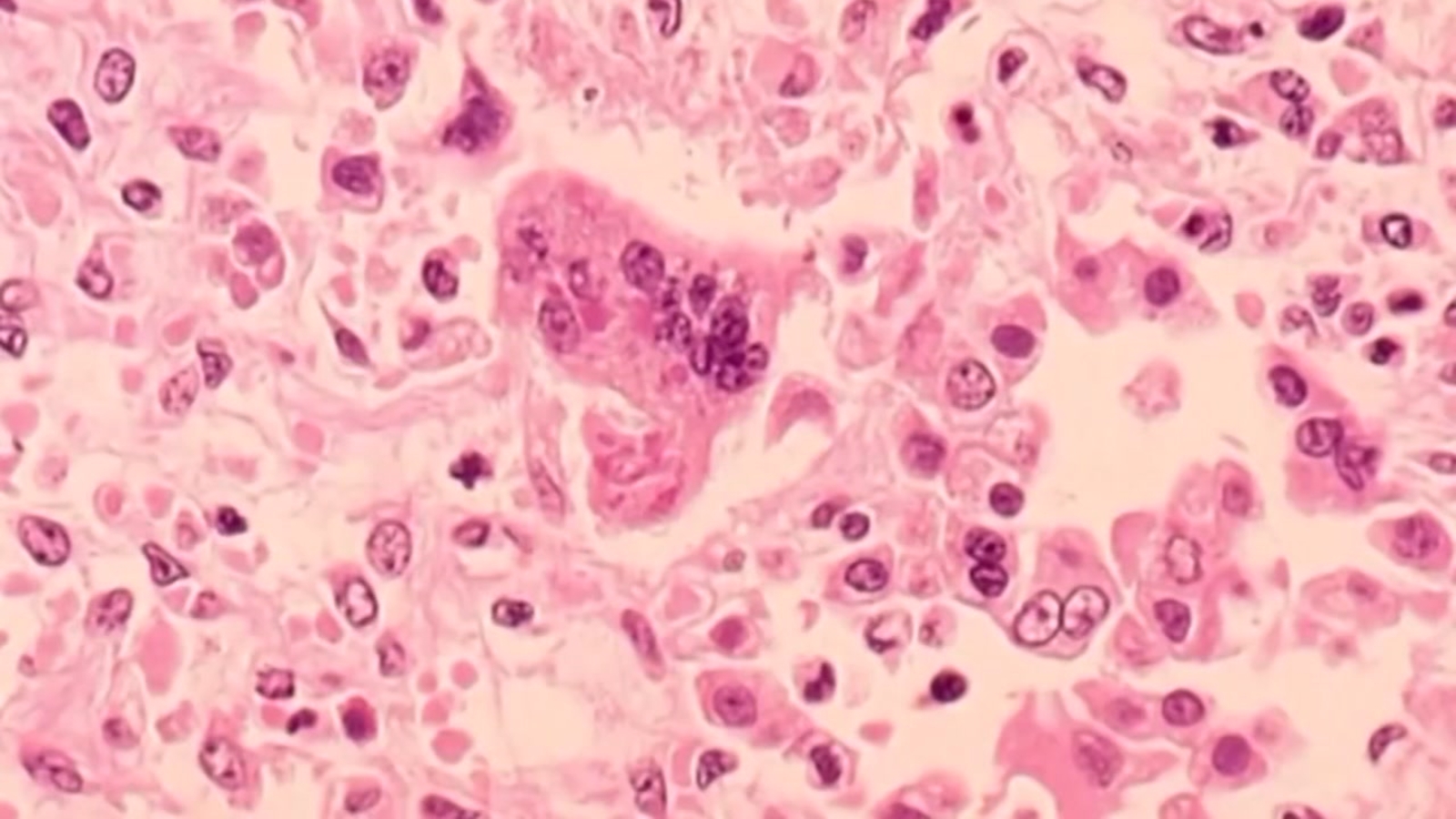
Measles in North Carolina: State reports 5th case linked to South Carolina surge