Dec. 17, 2010 (In These Times) -- Last week a diverse group of nonviolent protesters across Georgia stood up for their rights, calling for decent wages, better social services and respect for their civil liberties. It didn't take long for the government to crack down on the demonstrations, however: the protesters were already in prison.
![[Prison is the everyday reality lived by a huge swath of the population (roughly one in one hundred, according to recent surveys) The impact of prison labor, however, leaves a hidden imprint on our economy as well.]](http://www.commondreams.org/files/article_images/menjail-300x175_0.jpg "menjail-300x175.jpg") Prison is the everyday reality lived by a huge swath of the population (roughly one in one hundred, according to recent surveys) The impact of prison labor, however, leaves a hidden imprint on our economy as well.
Prison is the everyday reality lived by a huge swath of the population (roughly one in one hundred, according to recent surveys) The impact of prison labor, however, leaves a hidden imprint on our economy as well.
The uprising of Georgia inmates on December 9 defied the stereotype of the chaotic "prison riot" in the public imagination. Yet neither did "Lockdown for Liberty" fit within the conventional model of civil disobedience or industrial action. But when the inmates in at least six different prisons refused to leave their cells to report to work and other activities that day, a strike began. And it effectively paralyzed a small chunk of the bureaucratic monstrosity of America's prison system.
The incarcerated have historically filled the dregs of the American workforce, an emblem of racial subjugation often invisible in the politics of labor and social policy. It was against this hidden legacy of exploitation that the Georgia inmates, with the support of the NAACP and other civil rights advocates, raised issues common to incarcerated people nationwide: abusive treatment, degrading living conditions, a lack of accountability in the administration and parole authorities, and a lack of basic educational and social services (see below).
Pointedly invoking the term "slave" to describe the circumstances under which they toiled, the strikers showed how historically entrenched racial divisions play out today in the black-white disparities throughout the criminal justice system. Still, Georgia protesters included Latinos and whites as well as blacks, in a joint effort to resist and challenge structural injustices.

www.malaymail.com/news/world/2026/01/11/bomb-attac…
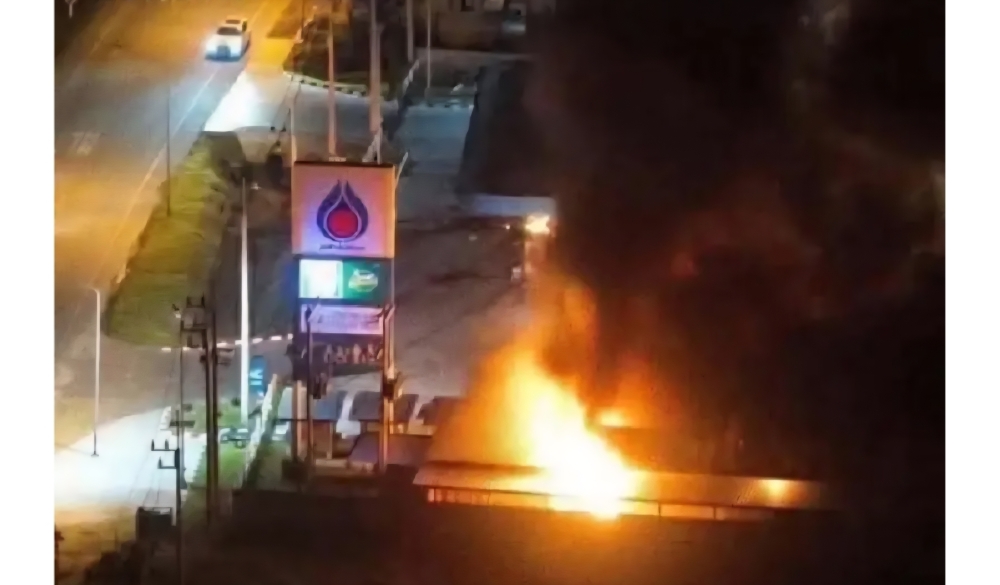
BANGKOK, Jan 11 — A series of late-night bomb attacks targeted 11 PTT petrol stations in Thailand’s southern border provinces of Narathiwat, Pattani and Yala…
www.khaama.com/at-least-eight-refugees-die-37-resc…

At least eight refugees died and 37 were rescued when their boat sank off Badmeli near Izmir, Turkish authorities said on Saturday.
katu.com/news/local/oregon-confirms-first-measles-…

Health officials in Oregon have confirmed the state's first measles cases of 2026, with two people diagnosed in Linn County.
abc11.com/post/measles-north-carolina-state-report…
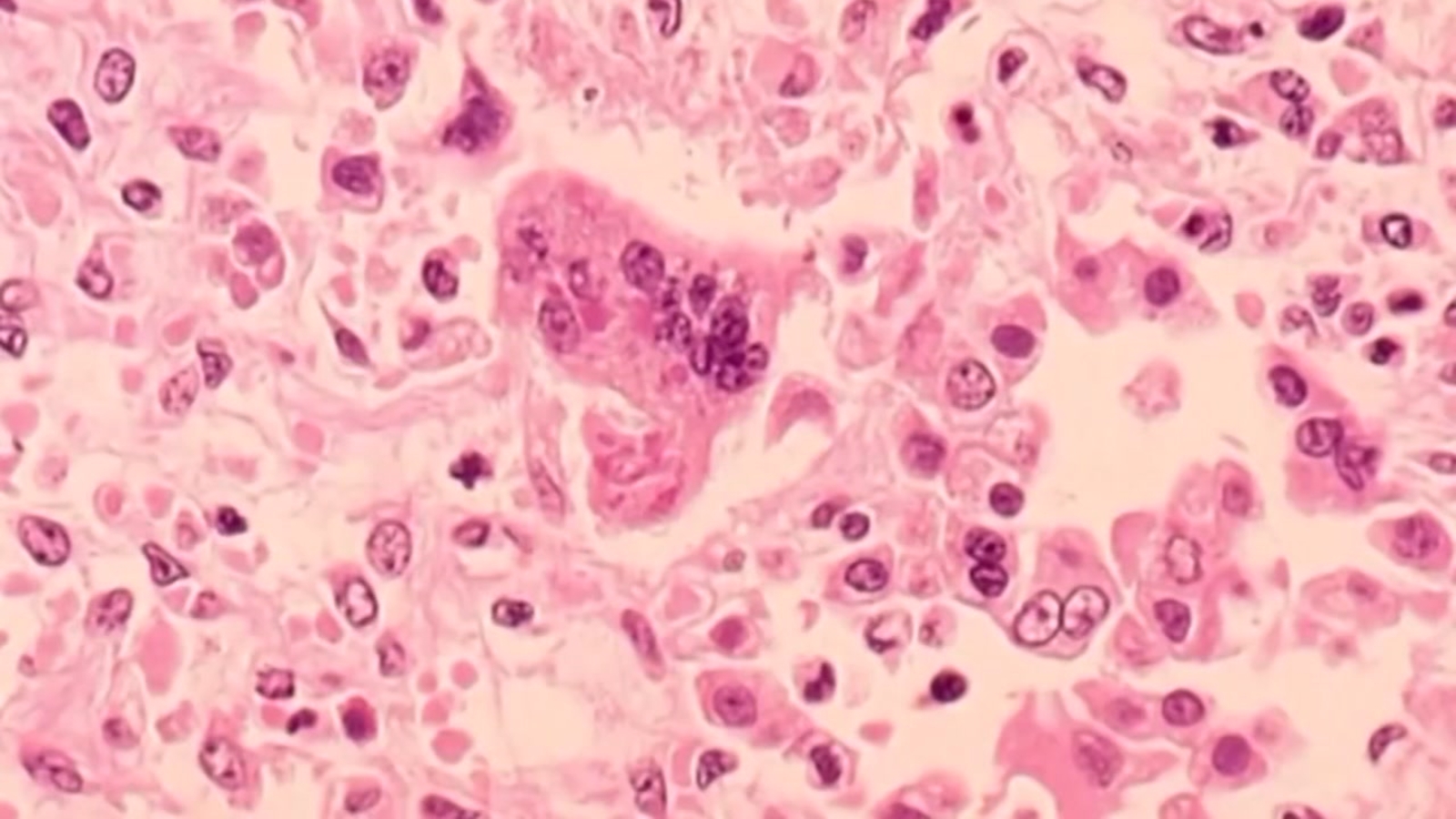
Measles in North Carolina: State reports 5th case linked to South Carolina surge