Enrico Orlandini -- DOW THEORY ANALYSIS SAC -- Special Report
Dec. 14, 2006 -- I know I said I was done for the year, and I'm sure I heard a collective sigh of relief all the way down here in Peru, but the subject of the U.S. dollar is just too tempting to put off until next year. A lot has happened since I last wrote about it back on Oct. 10th and I believe it is the single most important market event we are facing at this point in time. Even more important than the non-confirmations we currently see between the Dow and other major indexes. What's more, the ripple effects will reach all the way into the bond, stock, and commodities markets. The dollar is very important for what it is, i.e., a proxy for U.S. debt. It is not a 'store of wealth´ as so many believe. Instead it is a piece of paper backed by absolutely nothing, printed and emitted by the U.S. government as a way of postponing the settlement of its debts. Better yet, it is an undeclared "bond," which can never be redeemed, except by receiving more of the same.
It was the intention of our founding fathers to have all money be either gold or silver and they were so insistent on it that they went so far as to write it into the U.S. Constitution. If you don't believe me, read what Thomas Jefferson had to say about the issue:If the American people ever allow private banks to control the issue of their currency, first by inflation, then by deflation, the banks...will deprive the people of all property until their children wake-up homeless on the continent their fathers conquered.... The issuing power should be taken from the banks and restored to the people, to whom it properly belongs. --Thomas Jefferson
Banks, States, and even the U.S. government fiddled around with fiat currencies for more than one hundred years but the coin of the realm was always the yellow metal. At least until 1913 when the Federal Reserve Act was implemented. In truth, it was a shot across the bow of the Constitution. FDR provided the iceberg when he ordered the confiscation of all gold held by U.S. citizens in 1933 and Nixon finally sent the whole thing to the bottom when he closed the gold window forty years later [1]. It just so happens that Nixon's actions coincided with a major transition in the United States, the shift from creditor nation to debtor nation. Reality being stranger than fiction, the dollar managed to become the reserve currency for the world. That is a status that it still enjoys today and is precisely the root of 50% of the problems America faces today. [The other 50% corresponds to poor administration.]
The U.S. government has been on an uncontrolled, non-audited, spending spree since the days of LBJ. It all started with the "Great Society" and Viet Nam but I will have to admit that George Jr. took it to a whole new level. I swear he is wearing the numbers right off the printing press and creating bubbles as far as the eye can see! If I would have told you twenty years ago that China, India, and to a lesser degree Brazil would all be major creditors for the U.S. in 2006, you would have filed papers with the court asking for my commitment. Even Chile, a country with relatively little in the way of natural resources, had a trade surplus of almost two billion dollars in October of this year, and most of it was headed north. In return for all the goods flowing in from Asia and Latin America, the U.S. prints and sends dollars abroad. Precious little else, just dollars! Can you see the problem here?
Recently our Asian bankers had the audacity to express their displeasure with the current relationship. Their central banks are now bloated with dollars and they've said they are going to seek a remedy for the existing "imbalance". As you might well imagine, that caused a tremor in the FX markets and the U.S. Dollar Index fell from 87.50 to 82.50 in just over thirty days. China in particular has grown quite feisty, and I suspect it has to do with the fact they've discovered an internal market for their own goods. Nothing like a little success to breed independence. What can the U.S. do about it? Absolutely nothing, and that's the rub. Take a look at the historical chart for the U.S. Dollar Index:
more

www.malaymail.com/news/world/2026/01/11/bomb-attac…
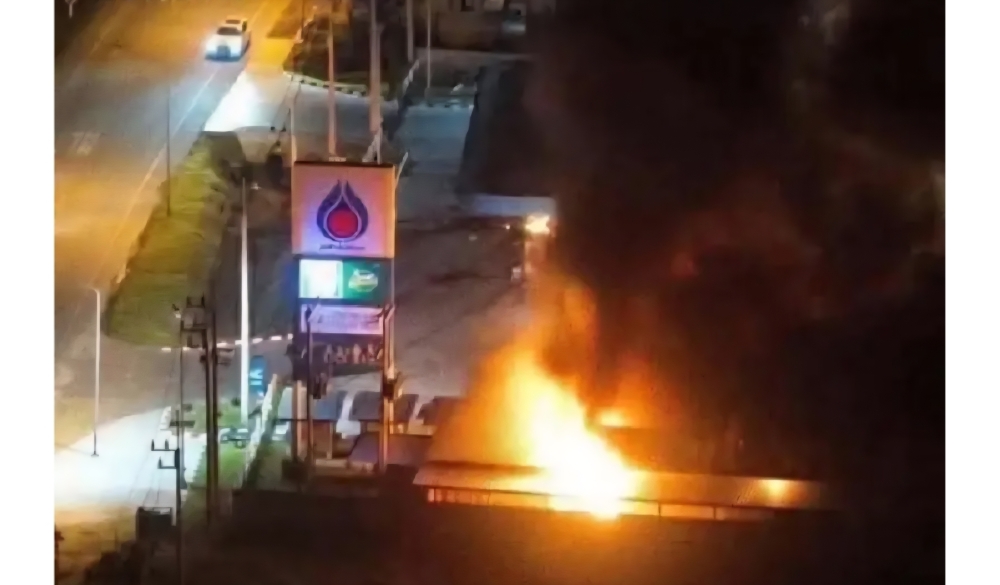
BANGKOK, Jan 11 — A series of late-night bomb attacks targeted 11 PTT petrol stations in Thailand’s southern border provinces of Narathiwat, Pattani and Yala…
www.khaama.com/at-least-eight-refugees-die-37-resc…

At least eight refugees died and 37 were rescued when their boat sank off Badmeli near Izmir, Turkish authorities said on Saturday.
katu.com/news/local/oregon-confirms-first-measles-…

Health officials in Oregon have confirmed the state's first measles cases of 2026, with two people diagnosed in Linn County.
abc11.com/post/measles-north-carolina-state-report…
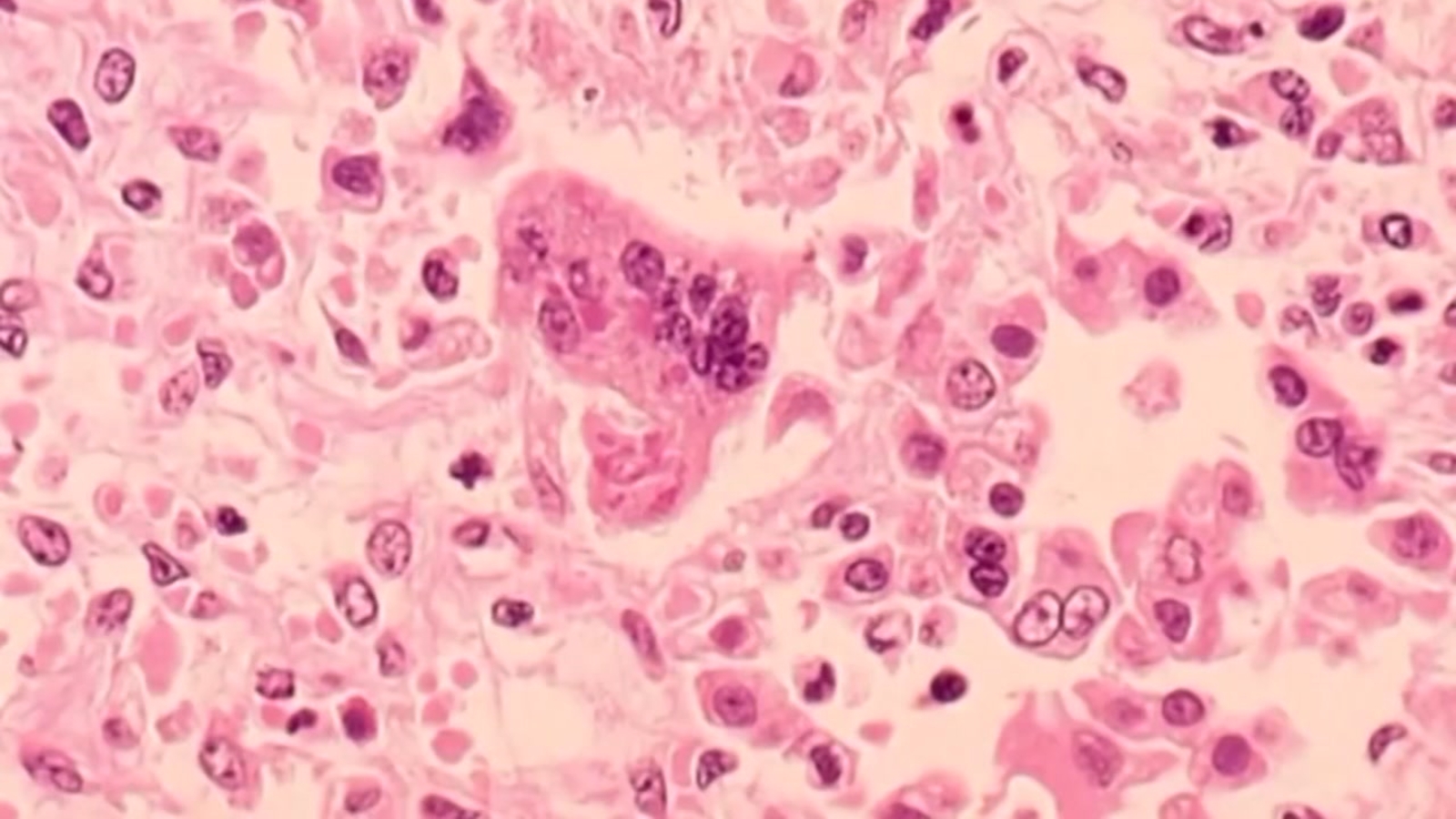
Measles in North Carolina: State reports 5th case linked to South Carolina surge