Petro-Power and the Nuclear Renaissance
By Michael T. Klare -- TomDispatch
Jan. 17, 2007 -- Not "Islamo-fascism," but "Energo-fascism" -- the heavily militarized global struggle over diminishing supplies of energy -- will dominate world affairs (and darken the lives of ordinary citizens) in the decades to come. This is so because top government officials globally are increasingly unwilling to rely on market forces to satisfy national energy needs and are instead assuming direct responsibility for the procurement, delivery, and allocation of energy supplies. The leaders of the major powers are ever more prepared to use force when deemed necessary to overcome any resistance to their energy priorities. In the case of the United States, this has required the conversion of our armed forces into a global oil-protection service; two other significant expressions of emerging Energo-fascism are: the arrival of Russia as an "energy superpower," and the repressive implications of plans to rely on nuclear power.
Energy Haves and Have-nots
With global demand for energy constantly rising and supplies contracting (or at least failing to keep pace), the world is being ever more sharply divided into two classes of nations: the energy haves and have-nots. The haves are the nations with sufficient domestic reserves (some combination of oil, gas, coal, hydro-power, uranium, and alternative sources of energy) to satisfy their own requirements and be able to export to other countries; the have-nots lack such reserves and must make up the deficit with expensive imports or suffer the consequences.
From 1950 to 2000, when energy was plentiful and cheap, the distinction did not seem so obvious as long as the have-nots possessed other forms of power: immense wealth (like Japan); nuclear weapons (like Britain and France); or powerful friends (like the NATO and Warsaw Pact countries). Needless to say, for poor countries possessing none of these assets, being a have-not state was a burden even then, contributing mightily to the debt crisis that still afflicts many of them. Today, these other measures of power have come to seem less important and the distinction between energy haves and have-nots correspondingly more significant -- even for wealthy and powerful countries like the United States and Japan.
Surprisingly, there are very few energy haves in the world today. Most notable among these privileged few are Australia, Canada, Iran, Kazakhstan, Kuwait, Nigeria, Qatar, Russia, Saudi Arabia, Venezuela, Iran, Iraq (if it were ever free of conflict), and a few others. These countries are in an envious position because they do not have to pay stratospheric prices for imported oil and natural gas and their ruling elites can demand all sorts of benefits -- political, economic, diplomatic, and military -- from the foreign leaders who come calling to procure copious quantities of their energy products. Indeed, they can engage in the delicious game of playing one foreign leader against another, as Kazakhstan's President, Nursultan Nazarbayev -- a regular guest in Washington and Beijing -- has become so adept at doing.
Pushed even further, this pursuit of favors can lead to a quest for political domination -- with the sale of vital oil and natural gas supplies made contingent on the recipient's acquiescing to certain political demands set forth by the seller. No country has embraced this strategy with greater vigor or enthusiasm than Vladimir Putin's Russia.
more

www.malaymail.com/news/world/2026/01/11/bomb-attac…
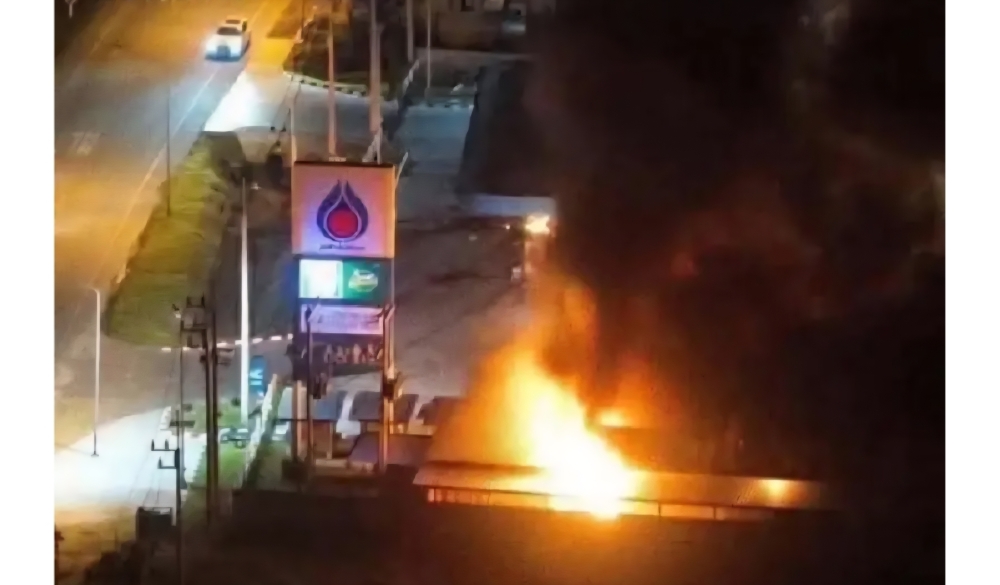
BANGKOK, Jan 11 — A series of late-night bomb attacks targeted 11 PTT petrol stations in Thailand’s southern border provinces of Narathiwat, Pattani and Yala…
www.khaama.com/at-least-eight-refugees-die-37-resc…

At least eight refugees died and 37 were rescued when their boat sank off Badmeli near Izmir, Turkish authorities said on Saturday.
katu.com/news/local/oregon-confirms-first-measles-…

Health officials in Oregon have confirmed the state's first measles cases of 2026, with two people diagnosed in Linn County.
abc11.com/post/measles-north-carolina-state-report…
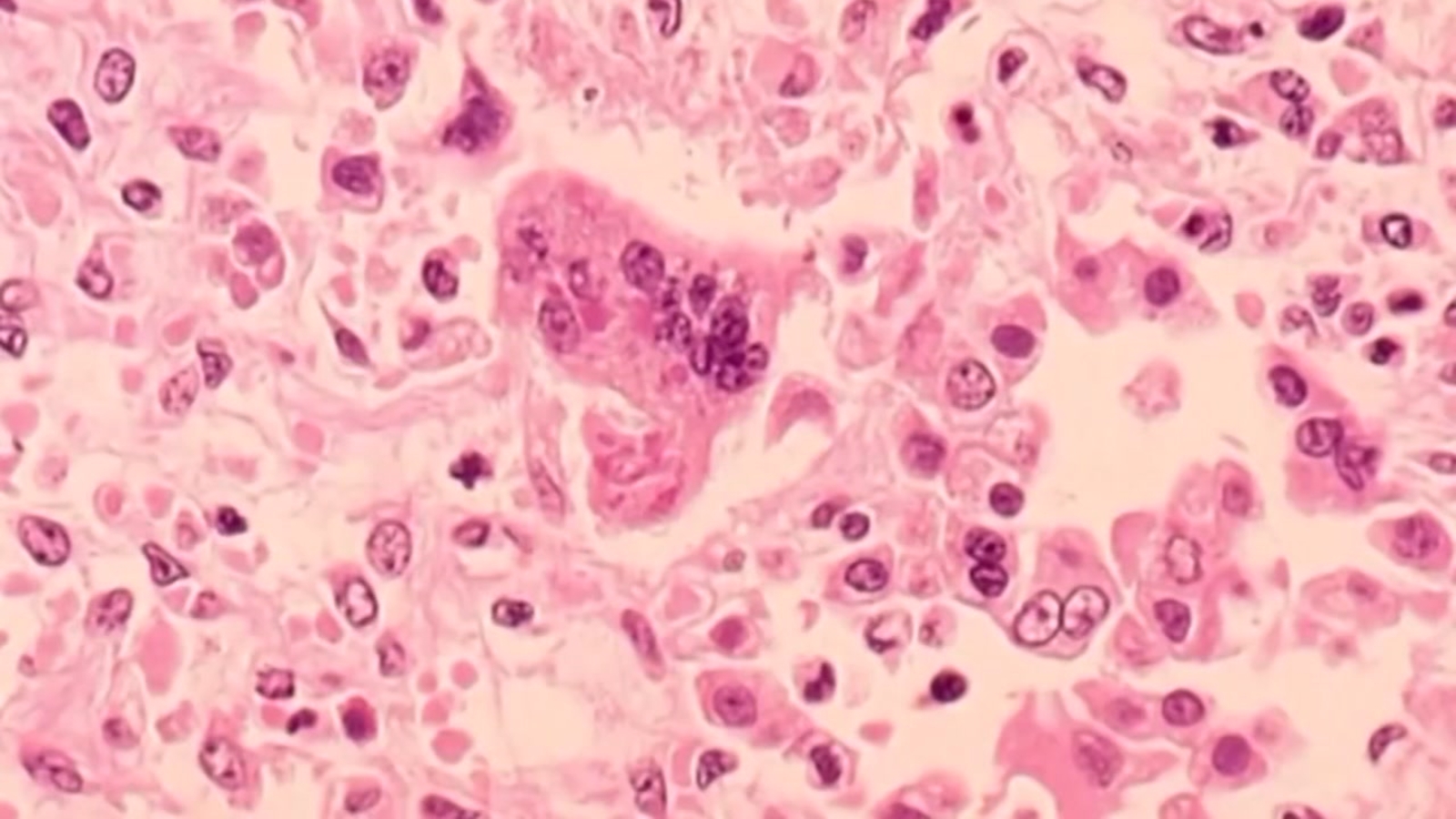
Measles in North Carolina: State reports 5th case linked to South Carolina surge