Aug. 20, 2008 (Archdruid Report) -- One of the lessons of history is that change, no matter how drastic it appears on the pages of history books, is rarely anything like so sudden for those who live through it. Read an account of the French Revolution, for example, and events seem to follow one another like explosions from a string of firecrackers, from the final crisis of the Ancien Régime straight through to the fall of Napoleon. For the man or woman in the French street, though, these happenings were scattered threads in a fabric of months and years woven from the plainer cordage of ordinary life.
Partly this is a function of the way historical narrative compresses time. It bears remembering that a teenage Parisienne who sat daydreaming of her upcoming wedding on the day that Louis XVI summoned the États-General in 1788 would most likely have been a grandmother on the day the Allied armies marched into Paris after the battle of Waterloo in 1815. Equally, though, it’s rare for historical events to have the same apparent importance at the time that they are assigned in the historian’s hindsight, not least because the everyday process of making a living and moving through the stages of human existence plays a larger role in most lives than the occasional tumults that make the history books.
This lesson needs to be kept in mind as we try to make sense of the implications of the crisis of industrial society, not least because it offers some protection against the common bad habit of projecting daydreams onto the inkblot patterns of the future. That habit of thinking is more than usually at issue in exploring the theme of this week’s post, the nature of daily life in the decades ahead of us.
The role of wishful thinking in driving the apocalyptic expectations so common in contemporary culture rarely shows itself so clearly as here. In the weeks leading up to the Y2K noncrisis, I knew quite a respectable number of people whose conviction that industrial civilization was about to undergo total collapse was all too clearly motivated by the belief that this meant that come January 1, 2000, they would no longer have to continue living the lives they had made for themselves. You’d think that the prospect of mass death would be a good deal more daunting than even the most humdrum modern existence, but it’s always part of the narrative of imminent apocalypse that dieoff only happens to other people; no matter how poorly suited the people in question were to the strenuous task of surviving the overnight collapse of a civilization, each one of them believed that they’d be among the lucky few.
more

www.malaymail.com/news/world/2026/01/11/bomb-attac…
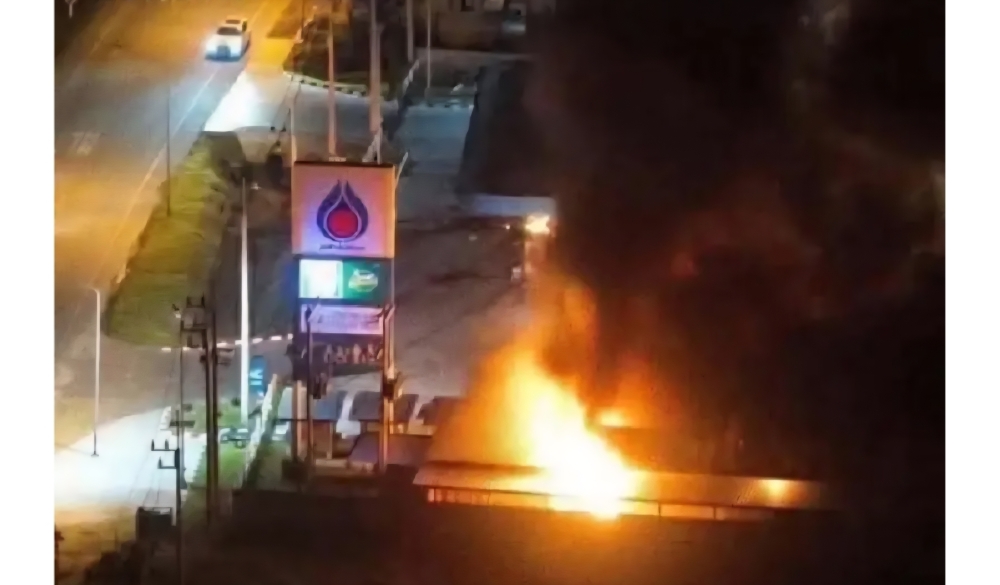
BANGKOK, Jan 11 — A series of late-night bomb attacks targeted 11 PTT petrol stations in Thailand’s southern border provinces of Narathiwat, Pattani and Yala…
www.khaama.com/at-least-eight-refugees-die-37-resc…

At least eight refugees died and 37 were rescued when their boat sank off Badmeli near Izmir, Turkish authorities said on Saturday.
katu.com/news/local/oregon-confirms-first-measles-…

Health officials in Oregon have confirmed the state's first measles cases of 2026, with two people diagnosed in Linn County.
abc11.com/post/measles-north-carolina-state-report…

Measles in North Carolina: State reports 5th case linked to South Carolina surge