(Archdruid Report) -- The mismatch between the narratives of sudden apocalypse that shape so much of today’s debate about the future, on the one hand, and the sluggish pace at which the predicament of industrial society unfolds in the real world, on the other, found a poster child of sorts last weekend. During the days of uncertainty before Hurricane Gustav’s arrival on the Louisiana coast, some enthusiastic soul posted claims to the peak oil newsblog The Oil Drum that the hurricane would bring industrial civilization itself crashing down in ruins.
I was pleased to note that this announcement seems to have fallen on unsympathetic ears. The Oil Drum’s forte is shrewd technical analysis, and its staff – if I may so describe the loose association of regular posters and commenters who give that excellent site its tone and direction – set aside such speculations and did their usual exemplary job, mapping out the oil platforms and refineries likely to be affected by Gustav and posting damage estimates that turned out to be fairly close to the picture now emerging on the ground. Gustav was a moderately strong storm; it forced the evacuation of nearly every offshore and coastal petroleum facility in the Gulf of Mexico, causing substantial short-term production losses; the long-term effects of the storm will not be clear for weeks, but all by itself, $30 billion or so in estimated damage piled atop an already faltering economy will certainly have an impact.
The difference between the fantasy of sudden collapse and the reality of one more localized jolt piling additional burdens on a stumbling society is well worth keeping in mind. Like the proverbial frog in the saucepan, those who think of apocalyptic collapse as the only way industrial civilization can break down are far less likely to notice the gradual changes in their environment that are leading in the same direction, just more slowly. It’s as though, to shift stories, the boy who cried wolf was convinced that immense armies of wolves would suddenly swoop down and eat up all the sheep in the world at once, and mistook every whistle of wind in the trees for the distant howling of the wolf pack to end all wolf packs; meanwhile, practically under his nose, real wolves – scruffy, undersized, and quite depressingly few in number compared to the massed uber-wolves of the fantasy – were picking off a sheep or two each day from the fringes of the flock.
As both these metaphors suggest, the fixation on sudden collapse has practical disadvantages. If you’re a frog in a saucepan, and the only idea of heat you’re willing to consider involves all the water in the saucepan suddenly flashing into steam, you probably won’t jump while your legs are still uncooked enough to do so; if you’re guarding sheep from wolves, and groups of wolves numbering fewer than fifty are beneath your notice, your sheep are going to be eaten. In the same way, there are plenty of practical steps that can be taken here and now by individuals, that will likely make the slow unraveling of industrial society much less horrific than it might otherwise be. Most of those steps would be, or at least appear to be, irrelevant in the face of sudden global catastrophe, and in fact it’s not uncommon to find believers in some such catastrophe dismissing these practical steps in exactly those terms.
more

www.malaymail.com/news/world/2026/01/11/bomb-attac…
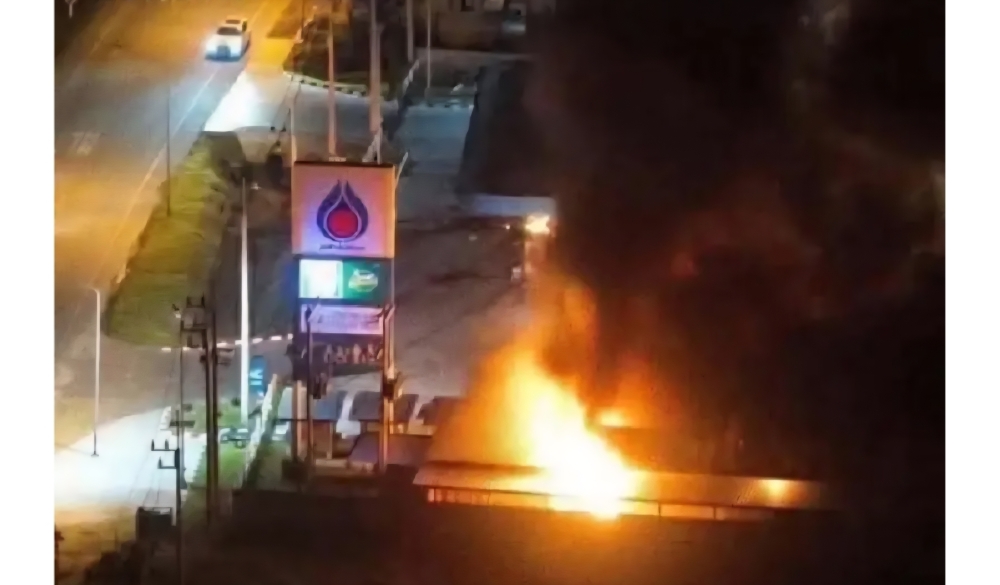
BANGKOK, Jan 11 — A series of late-night bomb attacks targeted 11 PTT petrol stations in Thailand’s southern border provinces of Narathiwat, Pattani and Yala…
www.khaama.com/at-least-eight-refugees-die-37-resc…

At least eight refugees died and 37 were rescued when their boat sank off Badmeli near Izmir, Turkish authorities said on Saturday.
katu.com/news/local/oregon-confirms-first-measles-…

Health officials in Oregon have confirmed the state's first measles cases of 2026, with two people diagnosed in Linn County.
abc11.com/post/measles-north-carolina-state-report…

Measles in North Carolina: State reports 5th case linked to South Carolina surge