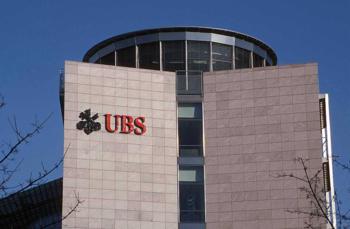
It was an offer the Californian real-estate billionaire Igor Olenicoff couldn't refuse. For several years, the US Internal Revenue Service had been on his tail. Suspecting serial tax evasion running into tens of millions of dollars, the IRS painstakingly amassed enough information to jail the Russian immigrant for decades.
{xtypo_quote_left} 'It does look bad,' says a senior UBS insider in London. 'Everyone is pretty upset. The Swiss government will not allow its wealth management to be badly damaged by this. I think the US government has to be very careful how it deals with foreign companies... The US, of all countries, needs foreign investment. It won't shoot itself in the foot. A lot of shareholders in UBS are US funds.' {/xtypo_quote_left}
In 2006, tax investigators offered Olenicoff, a man who has strong connections with Boris Yeltsin, a deal. In return for the identity of those who helped him evade taxes, his sentence would be slashed. It took Olenicoff, who owned 11,000 houses and a large collection of high-grade offices, less than 30 seconds to make up his mind.
After two years of further investigations, Olenicoff's evidence resulted this month in a dramatic development. UBS, the most powerful bank in Switzerland, is now on the edge of a steep cliff. Ten days ago, Bradley Birkenfeld, who between 2001 and 2006 was a senior UBS banker, signed a US court statement detailing how he smuggled diamonds in toothpaste tubes, deliberately destroyed offshore bank records on behalf of clients and helped Olenicoff evade taxes of $200m on offshore assets worth $7.26bn.
In an explosive seven-page deposition, Birkenfeld claims he was encouraged to win clients at UBS-sponsored tennis tournaments and major art events. UBS bankers, he said, assisted wealthy Americans to conceal ownership of their assets by creating 'sham' offshore trusts. Misleading and false documentation was routinely prepared to facilitate this, and the motivation, he concluded, was to ensure that UBS continued to manage a staggering $20bn of assets owned by wealthy US individuals, which generated the bank $200m in fees each year.
more
Read More: The Observer

www.malaymail.com/news/world/2026/01/11/bomb-attac…
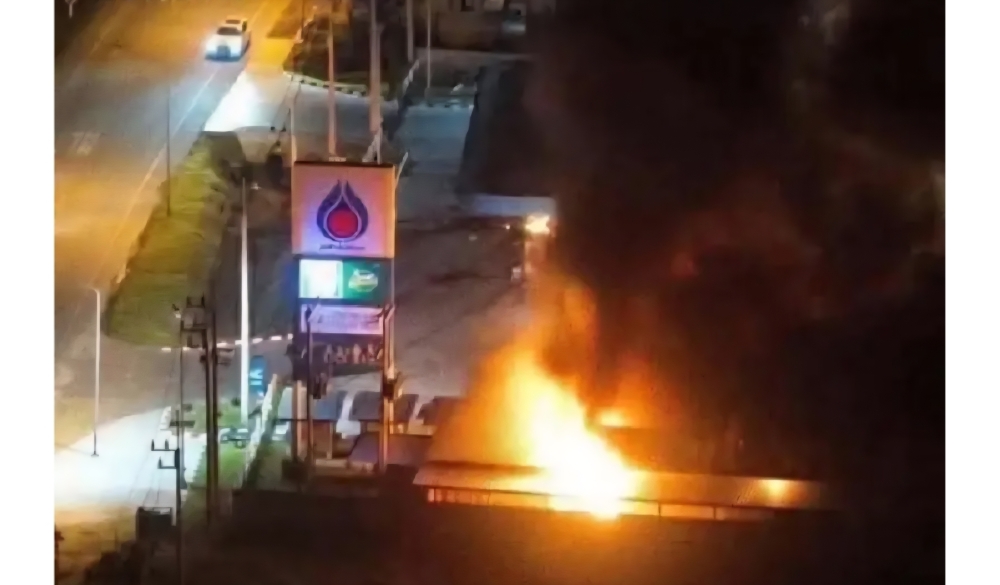
BANGKOK, Jan 11 — A series of late-night bomb attacks targeted 11 PTT petrol stations in Thailand’s southern border provinces of Narathiwat, Pattani and Yala…
www.khaama.com/at-least-eight-refugees-die-37-resc…

At least eight refugees died and 37 were rescued when their boat sank off Badmeli near Izmir, Turkish authorities said on Saturday.
katu.com/news/local/oregon-confirms-first-measles-…

Health officials in Oregon have confirmed the state's first measles cases of 2026, with two people diagnosed in Linn County.
abc11.com/post/measles-north-carolina-state-report…
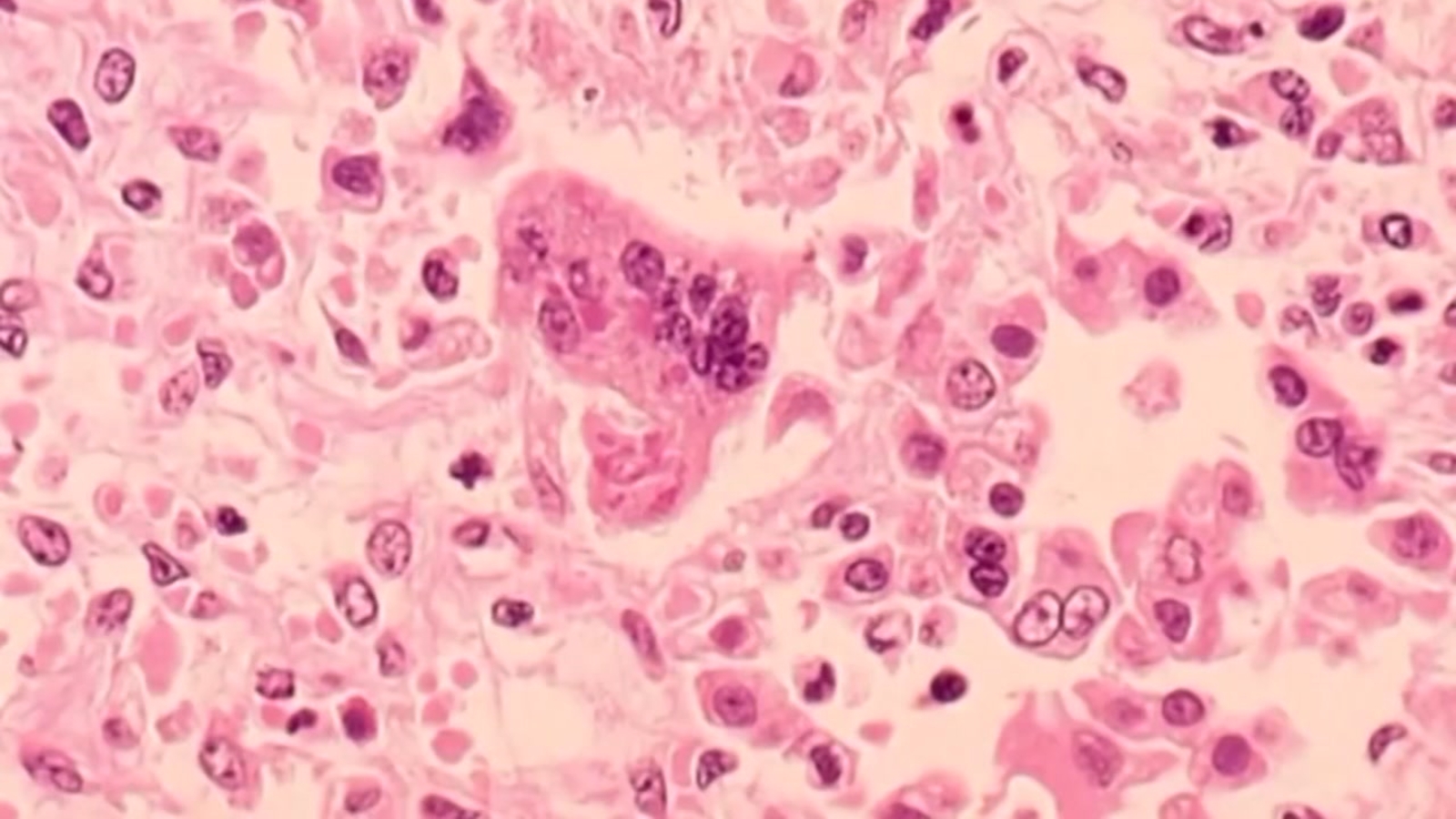
Measles in North Carolina: State reports 5th case linked to South Carolina surge