“My name will remain immortal on the earth,” the author writes. “I will speak about myself and tell more.”
The center houses hundreds of documents, letters, hand-drawn maps of villages that have disappeared, sepia photographs, poems, drawings and histories — much of it untranslated — on the customs, traditions and notable families of lost Armenian communities.
Jesse Arlen, the director of the center, looks forlornly at the volume in my hand.
“No one has probably read it, looked at it or even knew it was here,” he says.
He opens a box and hands me a hand-drawn map by Hareton Saksoorian of Havav village in Palu, where Armenians in 1915 were massacred or expelled. Saksoorian drew the map from memory after he escaped. The drawings of Armenian homes have the tiny, inked in names of the long dead.
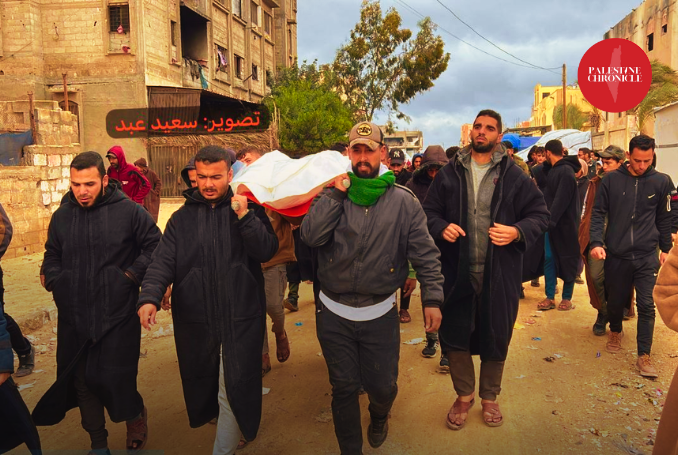
This will be the fate of the Palestinians in Gaza. They too will soon battle to preserve memory, to defy an indifferent world that stood by as they were slaughtered.
They too will doggedly seek to preserve scraps of their existence.
They too will write memoirs, histories and poems, draw maps of villages, refugee camps and cities that have been obliterated, set down painful stories of butchery, carnage and loss.
They too will name and condemn their killers, lament the extermination of families, including thousands of children, and struggle to preserve a vanished world.
But time is a cruel master.
(more)
READ MORE: The Chris Hedges Report