I had been operating my own company in the fall of 2004, when my 20-year-old son suddenly died from a bad combination of prescription medication. This tragedy caused my marriage to end only a month later. With little reason to stay in Utah, I pursued the opportunity of going to work for Halliburton, because I had gotten word that Halliburton was looking for people with expertise in water purification to operate their reverse osmosis water purification units (ROWPU). I had extensive experience with a wide range of water purification technologies, and I was attracted to the idea of providing a valuable service to our soldiers serving in Iraq. At the time, I was very excited at the prospect of being an employee once again, doing great things with providing clean safe water to U.S. troops and seeing some exciting places around the world. This was before I learned anything about Halliburton and their business practices.
If you recall, in late 2004 the war in Iraq was thought to be over after the declaration of "mission accomplished" by President George W. Bush. This impression was clearly wrong once I arrived and was sent to the base at Ar Ramadi. The talk around the water coolers was that the KBR camp there was getting hit on a regular schedule with rocket and mortar fire. This was a surprise to me since my recruiter had told me that I would be sent to the green zone in Baghdad. When I arrived in Ar Ramadi I was anxious to get to work right away. It was at the air base, Al Asad, that I got my first indication that things were askew with their water treatment plants.
While waiting to finish up with orientation, I saw the first of many serious deficiencies regarding the water purification for U.S. troops. We were instructed to have the managers in our job field sign off on our time sheet to indicate we had worked 12 hours each day. The fact of the matter was we were actually just making an appearance in order to obtain the necessary signature for the time sheets. While this weighed a little on my conscience, I concluded that this is just a transitional problem and surely when I got to my permanent station I would have more work than I could handle every day. So, while I was at the ROWPU water plant for Al Asad air base, I was given a tour of the facility by a KBR ROWPU operator and was surprised that they were using the rejected drainage water from the ROWPU process and using it for the production of potable and non-potable water. I questioned him about this problem. He answered by saying I had a lot to learn about working here, and that replacement cost was not an issue.
A big problem with re-using the contaminated waste water is the increase of contaminants previously in the raw water. For example, let's say there are 100 giardia
cysts [giardia is an infectious parasite which lodges in the intestines and causes vomiting, diarrhea, weight loss and dehydration] in each gallon of raw water run into the R.O. unit. We could reasonably expect the R.O. to remove 90% to 95% of the cysts, which would be flushed out in the reject effluent drain line. This process would therefore produce about 1/3 gallon of very high quality drinking water and the other 2/3 gallon was being sent back to the collection tank for the water plant. When they dumped that water with a now higher concentration of cysts back into the feed water, eventually the treated drinking water and non-potable water would no longer be safe to use. Eventually that number of 100 cysts per gallon would become 1,000 per gallon, then 10,0000, etc.
more

www.malaymail.com/news/world/2026/01/11/bomb-attac…
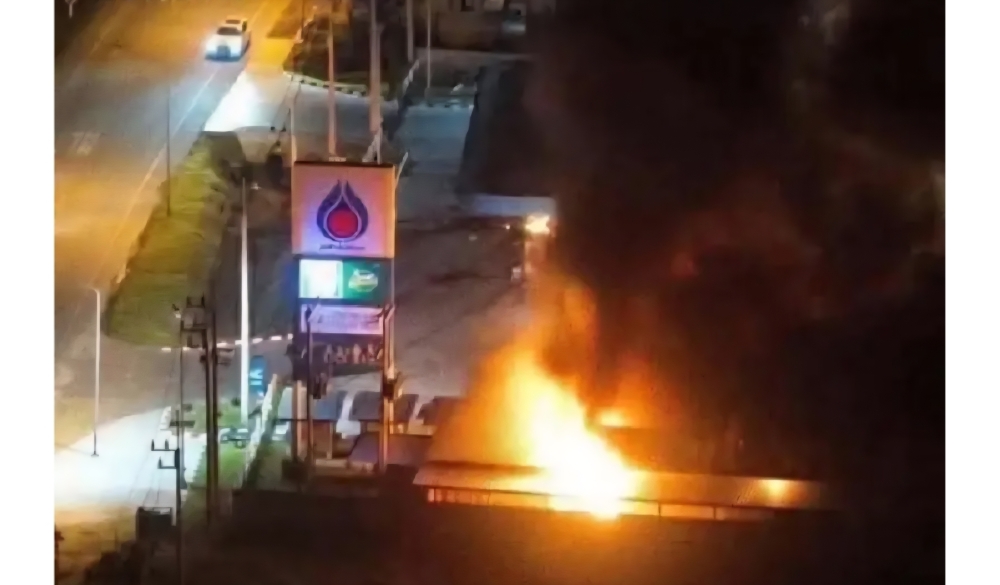
BANGKOK, Jan 11 — A series of late-night bomb attacks targeted 11 PTT petrol stations in Thailand’s southern border provinces of Narathiwat, Pattani and Yala…
www.khaama.com/at-least-eight-refugees-die-37-resc…

At least eight refugees died and 37 were rescued when their boat sank off Badmeli near Izmir, Turkish authorities said on Saturday.
katu.com/news/local/oregon-confirms-first-measles-…

Health officials in Oregon have confirmed the state's first measles cases of 2026, with two people diagnosed in Linn County.
abc11.com/post/measles-north-carolina-state-report…
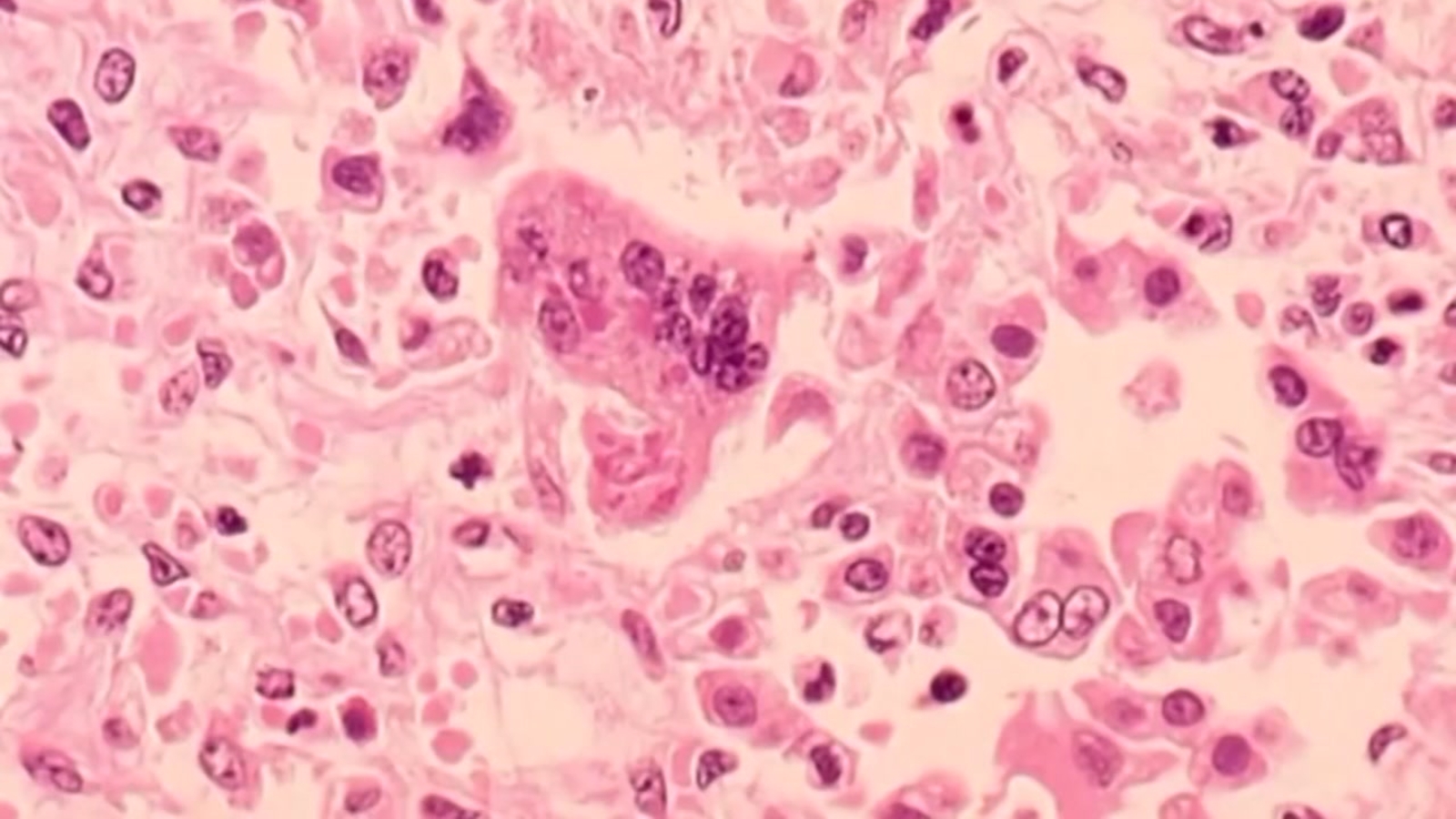
Measles in North Carolina: State reports 5th case linked to South Carolina surge