December 22, 2008
NEW YORK/TORONTO - Eric Hibbert felt uneasy when he toured First Alliance's head office in Irvine, Calif., in July, 1995.{xtypo_quote_right} In 1995, when Lehman began dipping its toe in the water, total CDO issuance was about 2.5-billion. Within four years, it would reach 120-billion. The subprime market moved in near perfect lockstep. In 1994, there was 35-billion in subprime mortgages in the United States, about 5 per cent of the market. But by 1999, that figure would swell to 160-billion, or roughly 13 per cent of all home loans. {/xtypo_quote_right}
Mr. Hibbert was a vice-president at Lehman Brothers and he'd been sent to meet First Alliance founder Brian Chisick to see if Lehman could form some kind of relationship with the mortgage lender.
“This is a weird place,” he wrote later in an internal memo. While he noted the company's “efficient use of their tools to create their own niche,” he also pointed out that “there is something really unethical about the type of business in which [First Alliance] is engaged.”
Mr. Chisick had become one of the biggest players in subprime loans. First Alliance's annual revenue had doubled in four years to nearly $60-million (U.S.) and its profit had increased threefold to $30-million.
more
Read More: The Globe and Mail

www.malaymail.com/news/world/2026/01/11/bomb-attac…

BANGKOK, Jan 11 — A series of late-night bomb attacks targeted 11 PTT petrol stations in Thailand’s southern border provinces of Narathiwat, Pattani and Yala…
www.khaama.com/at-least-eight-refugees-die-37-resc…

At least eight refugees died and 37 were rescued when their boat sank off Badmeli near Izmir, Turkish authorities said on Saturday.
katu.com/news/local/oregon-confirms-first-measles-…

Health officials in Oregon have confirmed the state's first measles cases of 2026, with two people diagnosed in Linn County.
abc11.com/post/measles-north-carolina-state-report…
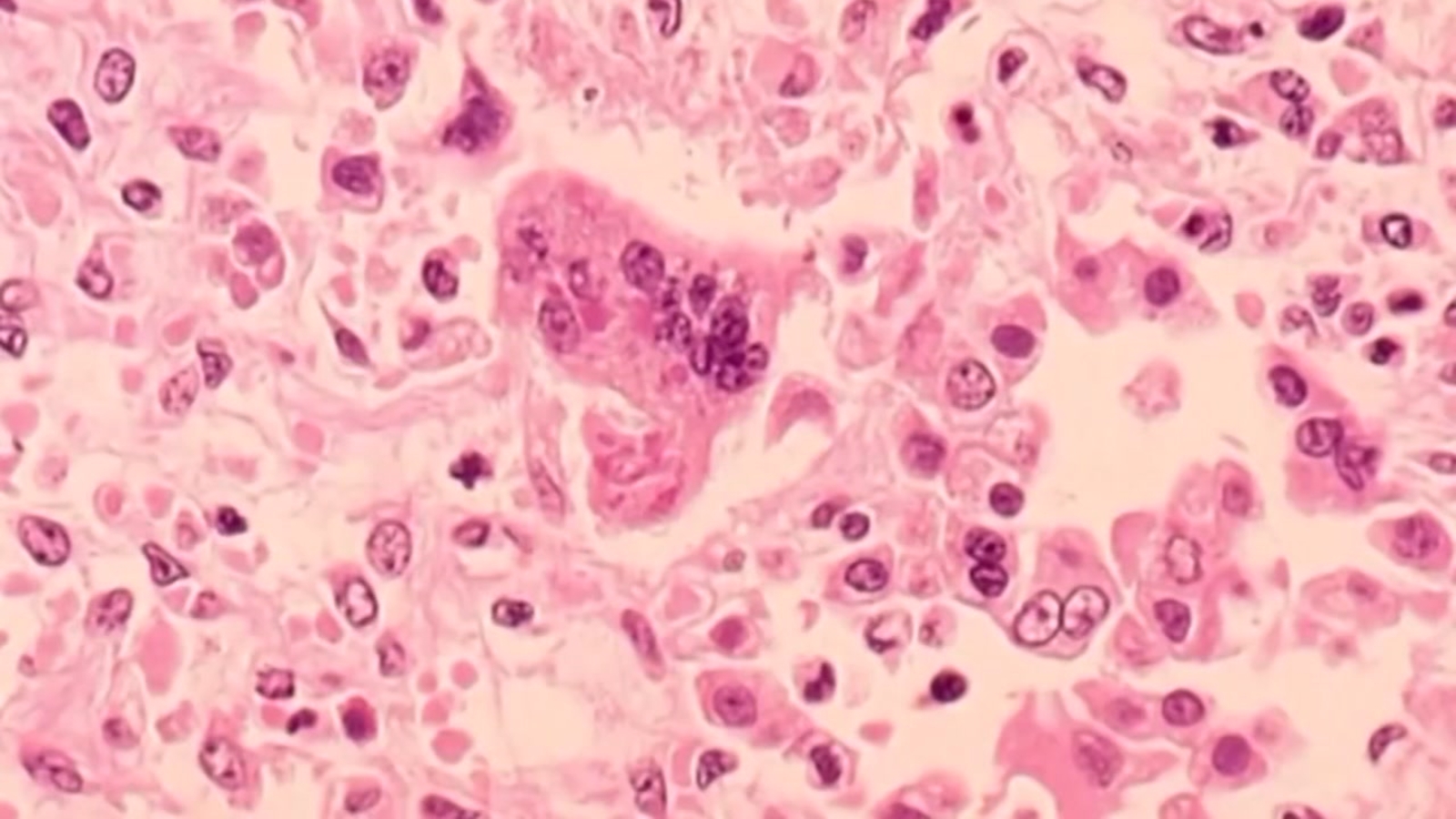
Measles in North Carolina: State reports 5th case linked to South Carolina surge