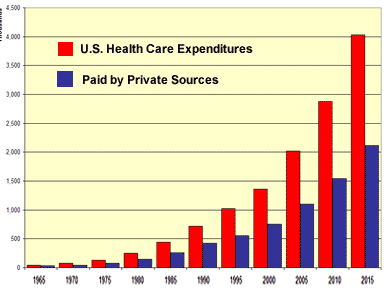
The economic slowdown has swelled the ranks of people without health insurance. But now it is also threatening millions of people who have insurance but find that the coverage is too limited or that they cannot afford their own share of medical costs.
{xtypo_quote_left}“There’s a real shift in the burden of health care to people who happen to be sick,” said Paul B. Ginsburg, the president of the Center for Studying Health System Change, a research group in Washington.{/xtypo_quote_left}
Many of the 158 million people covered by employer health insurance are struggling to meet medical expenses that are much higher than they used to be — often because of some combination of higher premiums, less extensive coverage, and bigger out-of-pocket deductibles and co-payments.
With medical costs soaring, the coverage many people have may not adequately protect them from the financial shock of an emergency room visit or a major surgery. For some, even routine doctor visits might now take a back seat to basic expenses like food and gasoline.
“It just keeps eating into people’s income,” said James Corbin, a former union official who works for the local utility in Tucson.
Mr. Corbin said that under their employer’s health plan, he and his co-workers are now obliged to pay up to $4,000 of their families’ annual medical bills, on top of about $1,600 a year in premiums. Five years ago, they paid no premiums and were responsible for only about $2,000 of their families’ medical bills.
“That’s a big jump,” Mr. Corbin said. “You’ve just lost a month’s pay.”

www.malaymail.com/news/world/2026/01/11/bomb-attac…

BANGKOK, Jan 11 — A series of late-night bomb attacks targeted 11 PTT petrol stations in Thailand’s southern border provinces of Narathiwat, Pattani and Yala…
www.khaama.com/at-least-eight-refugees-die-37-resc…

At least eight refugees died and 37 were rescued when their boat sank off Badmeli near Izmir, Turkish authorities said on Saturday.
katu.com/news/local/oregon-confirms-first-measles-…

Health officials in Oregon have confirmed the state's first measles cases of 2026, with two people diagnosed in Linn County.
abc11.com/post/measles-north-carolina-state-report…
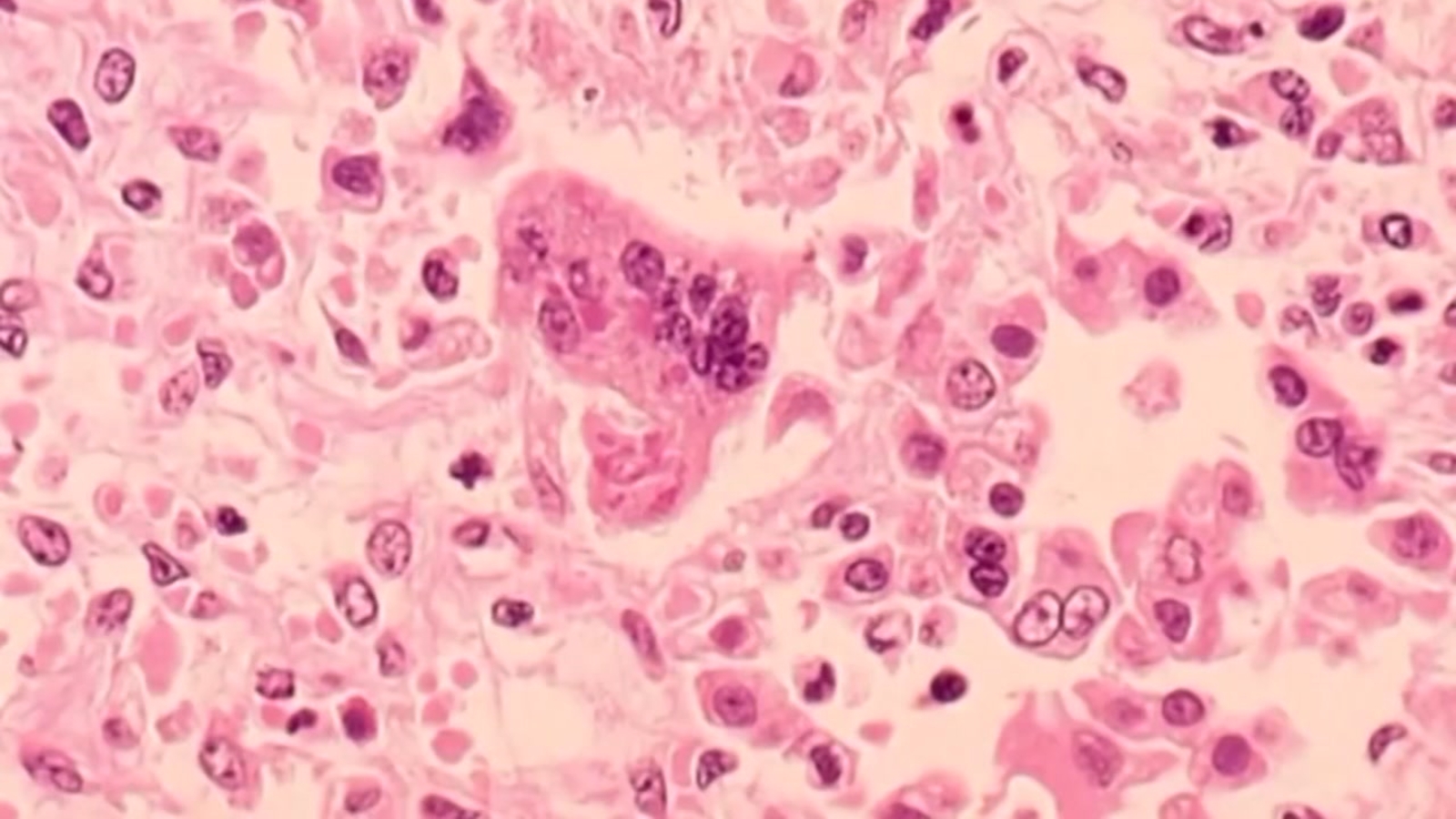
Measles in North Carolina: State reports 5th case linked to South Carolina surge