By Linda McQuaig -- Toronto Star
Sept. 18, 2004 -- From his corner office in the heart of New York's financial district, Fadel Gheit keeps close tabs on what goes on inside the boardrooms of the big oil companies. An oil analyst at the prestigious Wall Street firm Oppenheimer & Co., the fit, distinguished-looking Gheit has been watching the oil industry closely for more than 25 years.Selling the modern world's most indispensable commodity has never been a bad business to be in — particularly for the small group of companies that straddle the top of this privileged world. But never more so than now.
"Profit-wise, things could not have been better," says Gheit, "In the last three years, they died and went to heaven.... They are all sitting on the largest piles of cash in their history."
But to stay rich they have to keep finding new reserves, and that's getting tougher. Increasingly it means cutting through permafrost or drilling deep underwater, at tremendous cost. "The cheap oil has already been found and developed and produced and consumed," says Gheit. "The low-hanging fruit has already been picked."
Well, not all the low-hanging fruit has been picked.
Nestled into the heart of the area of heaviest oil concentration in the world is Iraq, overflowing with low-hanging fruit. No permafrost, no deep water. Just giant pools of oil, right beneath the warm ground. This is fruit sagging so low, as it were, that it practically touches the ground under the weight of its ripeness.
Not only does Iraq have vast quantities of easily accessible oil, but its oil is almost untouched. "Think of Iraq as virgin territory.... This is bigger than anything Exxon is involved in currently.... It is the superstar of the future," says Gheit, "That's why Iraq becomes the most sought-after real estate on the face of the earth."
more
READ MORE: Energy Bulletin
{mos_sb_discuss:2}

www.malaymail.com/news/world/2026/01/11/bomb-attac…
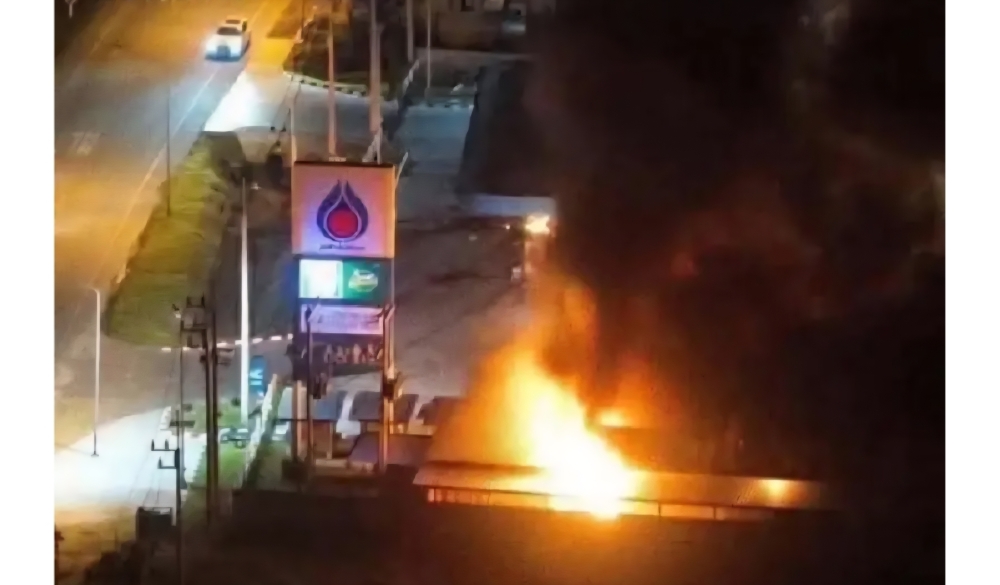
BANGKOK, Jan 11 — A series of late-night bomb attacks targeted 11 PTT petrol stations in Thailand’s southern border provinces of Narathiwat, Pattani and Yala…
www.khaama.com/at-least-eight-refugees-die-37-resc…

At least eight refugees died and 37 were rescued when their boat sank off Badmeli near Izmir, Turkish authorities said on Saturday.
katu.com/news/local/oregon-confirms-first-measles-…

Health officials in Oregon have confirmed the state's first measles cases of 2026, with two people diagnosed in Linn County.
abc11.com/post/measles-north-carolina-state-report…
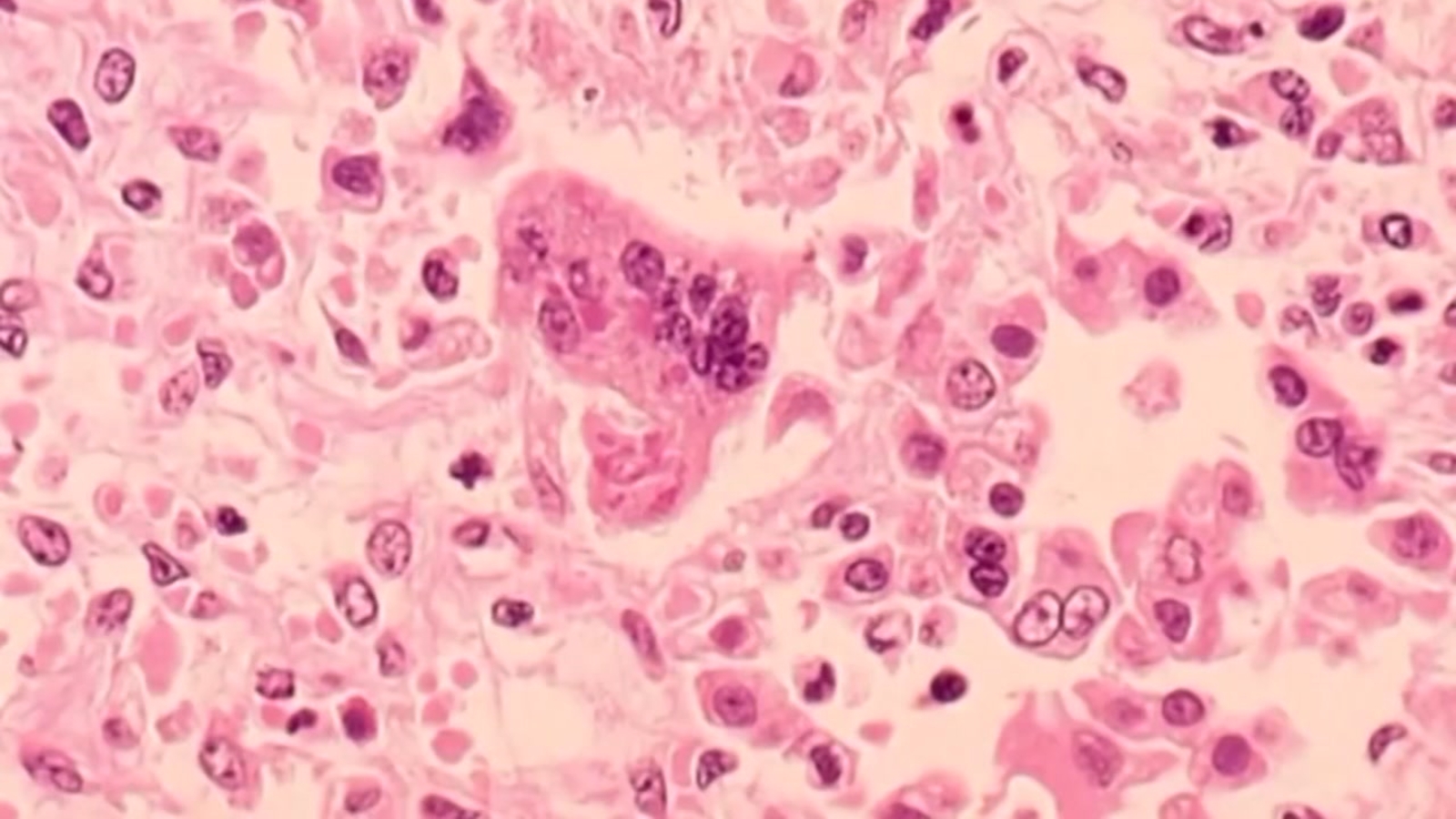
Measles in North Carolina: State reports 5th case linked to South Carolina surge