By Kurt Cobb -- Resource Insights
Dec. 3, 2006 -- Autistic children can spend much of their time in a world of elaborate fantasy, emotionally detached from real people and objects. Unfortunately, it is not much of a leap to substitute the words "most economists" for "autistic children" in the previous sentence. So apparent has this become that there is a burgeoning movement to establish what is now called a "post-autistic economics" to meet the challenges of describing the real social and physical world we live in.But as the biosphere presses its limits upon us in the areas of energy, climate, water, soil and pollution, the neoclassical economic view that human ingenuity will allow the species to ignore every other species on the planet and grow the world economy indefinitely has become life threatening, even civilization threatening.
The cure for this view was suggested by a dear friend. It is a surprisingly simple move, and one with an impressive pedigree. The Polish astronomer Nicolaus Copernicus was the first to work out how the Earth revolved around the Sun. He thus began a journey for humankind that removed it from the center of the universe and placed it, to borrow the words of environmental education giant, David Orr, "on a small planet attached to an insignificant star in a backwater galaxy."
What Copernicus had done for astronomy, Charles Darwin did for biology. After Darwin humans would no longer be set apart from the animal kingdom. Henceforth, they would be only one of its many inhabitants, buffeted by the same laws of mutation and natural selection as the ape and every other living creature. Anthropocentrism in biology was finished.
more
{mos_sb_discuss:2}

www.malaymail.com/news/world/2026/01/11/bomb-attac…

BANGKOK, Jan 11 — A series of late-night bomb attacks targeted 11 PTT petrol stations in Thailand’s southern border provinces of Narathiwat, Pattani and Yala…
www.khaama.com/at-least-eight-refugees-die-37-resc…

At least eight refugees died and 37 were rescued when their boat sank off Badmeli near Izmir, Turkish authorities said on Saturday.
katu.com/news/local/oregon-confirms-first-measles-…

Health officials in Oregon have confirmed the state's first measles cases of 2026, with two people diagnosed in Linn County.
abc11.com/post/measles-north-carolina-state-report…
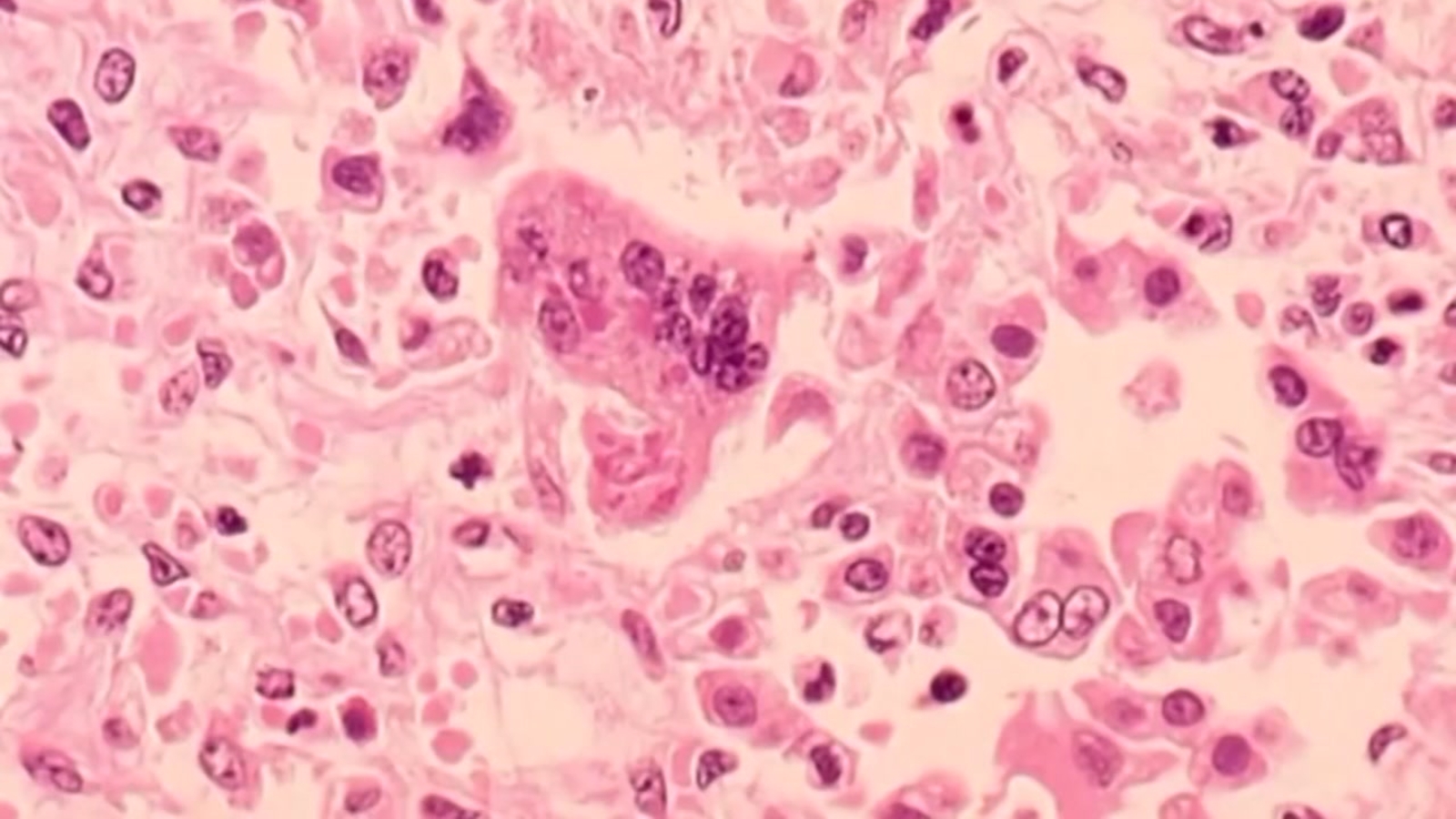
Measles in North Carolina: State reports 5th case linked to South Carolina surge