It seems that the markets have stopped mistaking the banking debt orgy for “innovation” and started seeing it for what it is: the last bit of debauchery in history’s greatest credit bubble.
John Rubino -- Dollar Collapse
Mar. 2, 2007 -- I had another installment of “Banks and Bubbles” all set to go today. That one was going to have a little fun with the rumor that Bank of America is negotiating to buy Countrywide Credit, and repeat the by-now-tired observation that at the peak of the credit cycle, bankers tend to start indulging their inner daytraders, which always leads to trouble, yada yada.
But something more interesting just happened. It seems that the markets have stopped mistaking the banking debt orgy for “innovation” and started seeing it for what it is: the last bit of debauchery in history’s greatest credit bubble. According to reports by Bloomberg and Associated Press, the price of “credit insurance” on the bonds of the big investment banks has spiked.
To understand this bit of poetic justice, you first have to understand what credit insurance is. In a nutshell, it’s a derivative contract, known as a credit default swap, in which one party promises to cover whatever losses result from a given borrower not being able to repay a given loan. Sounds innocuous enough, right? But in bubbles, otherwise useful tools often become monsters that enrich their masters for a while and then break free, eviscerating everyone within reach. Recall the collateral damage from junk bonds and dot.com IPOs, and you get the idea.
In the case of credit insurance, the financial engineers at the big investment banks and hedge funds figured out that writing these contracts -- that is, promising to cover losses on various kinds of bonds -- was easy money as long as no one was defaulting (like writing flood insurance in a drought, as Prudent Bear’s Doug Noland puts it). And so the bubble machine created a positive feedback loop, with hedge funds writing cheap credit insurance on pretty much anything and investment banks lending money to pretty much anyone, in order to insure the debt and sell it to pension funds and other gullible souls. Defaults, even among the most overleveraged companies, were low because there was always another investment bank waiting to underwrite another issue of junk bonds. So hedge funds competed to write the insurance, sending the cost through the floor. And the big investment banks borrowed immense amounts of money to leverage this process—after all, if no one is defaulting, you can bet infinite amounts on the proposition with impunity. They reported stunning earnings, and paid out bonuses that would have made Mike Milken and Frank Quattrone smile.
But this week cycle shifted into reverse, and suddenly the linchpin of the whole system, cheap credit insurance, ain’t so cheap. Based on what it costs to insure it against default, the debt of Wall Street’s biggest banks now looks like junk, which is another way of saying that Goldman, Merrill, Lehman and the other masters of yesterday’s universe have been exposed for what they are: slick, sophisticated Ponzi schemes that can only operate in their present forms with ever-larger infusions of new money. Cut off the cash—by, say, raising the price of credit insurance—and the whole thing falls apart. With that in mind, here’s how Bloomberg put it today:
more

www.malaymail.com/news/world/2026/01/11/bomb-attac…

BANGKOK, Jan 11 — A series of late-night bomb attacks targeted 11 PTT petrol stations in Thailand’s southern border provinces of Narathiwat, Pattani and Yala…
www.khaama.com/at-least-eight-refugees-die-37-resc…

At least eight refugees died and 37 were rescued when their boat sank off Badmeli near Izmir, Turkish authorities said on Saturday.
katu.com/news/local/oregon-confirms-first-measles-…

Health officials in Oregon have confirmed the state's first measles cases of 2026, with two people diagnosed in Linn County.
abc11.com/post/measles-north-carolina-state-report…
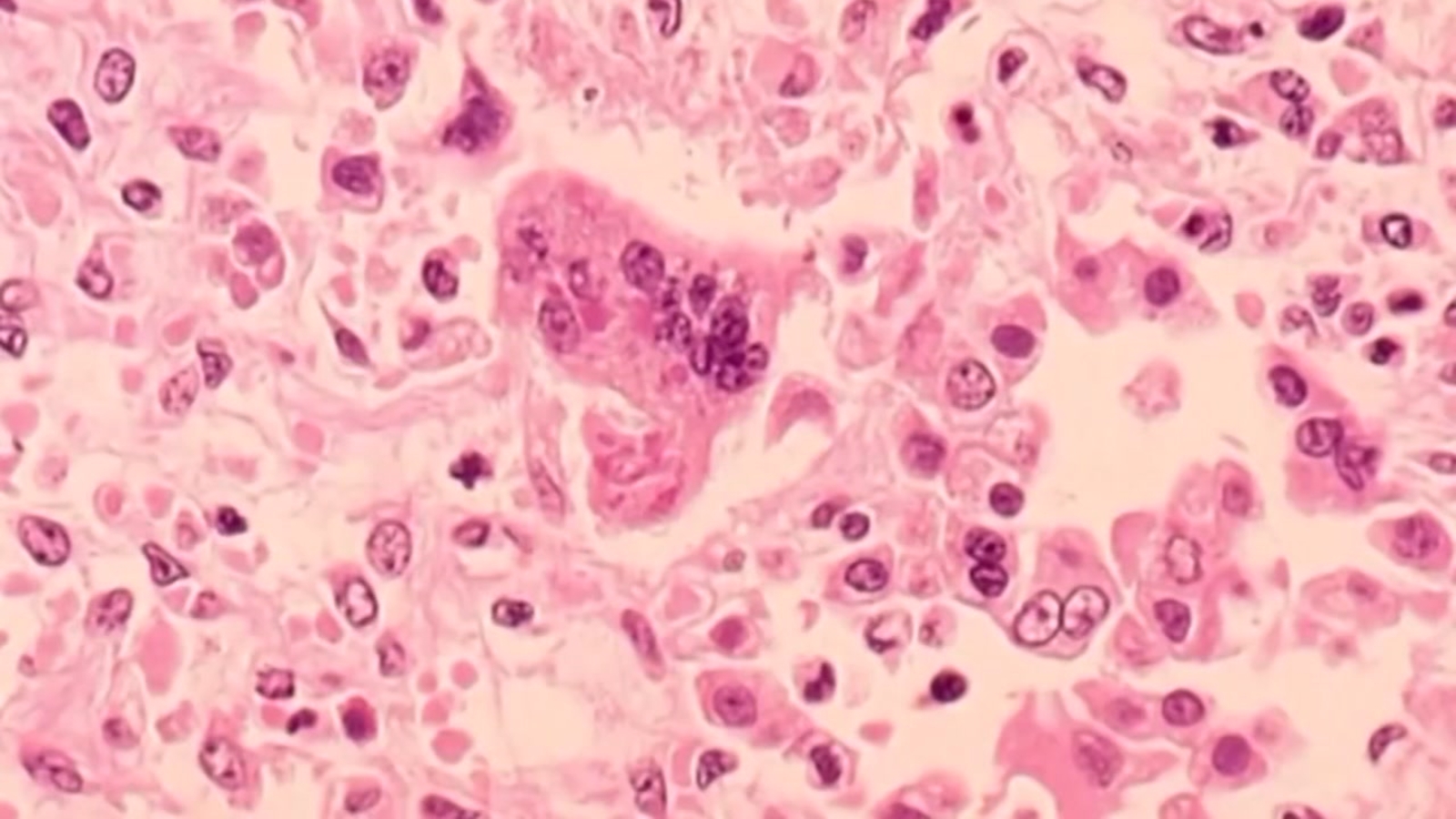
Measles in North Carolina: State reports 5th case linked to South Carolina surge