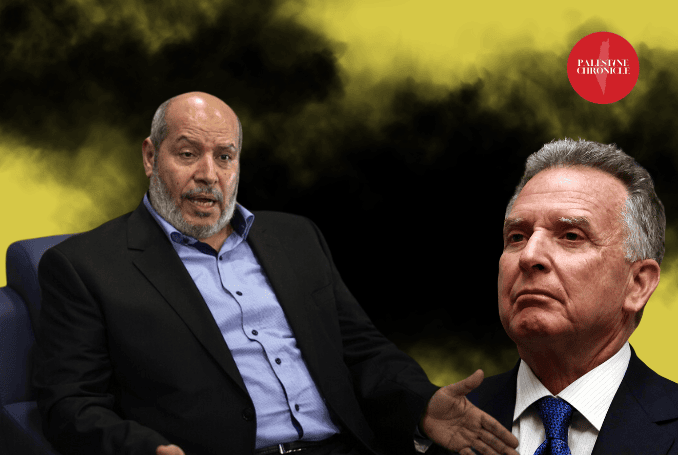
Because the editorial staff(such as it is...) of World News Trust considers this set of treatises by Patrick M. Byrne, PhD, CEO of Overstock.Com to be of such critical importance and uniquely insightful analysis, we have decided to excerpt, within accepted Fair Use practices, and link to, each chapter of this most important work. This is not breathless "conspiracy theorist" ranting by someone who knows all the words to "The Internationale" and owns only Che' Guevera T-Shirts. This is brutally honest analysis and disclosure by one of the United States' captains of industry. It is highly recommended that the gentle reader keep that fact in mind and take heed of the cautionary tales contained within Dr. Byrne's work.
Please allow me to start with an example.
In the 19th century the work of governing the United States began shifting from legislatures to regulatory bodies. In 1887 the U.S. Interstate Commerce Commission was founded, and has served as a cautionary tale ever since.
The ICC was established to regulate the railroads but was quickly subverted by the industry it was supposed to oversee. That happened because its staff learned that if they “regulated” the railroad industry (and later, the trucking industry) by fixing prices artificially high and restricting new entrants, cushy jobs and directorships would await them upon their retirement.
Of this process Milton Friedman wrote:
“It took about a decade to get the commission in full operation. By that time the reformers had moved on to their next crusade. The railroads were only one of their concerns…. For the railroad men the situation was entirely different. The railroads were their business, their overriding concern… And who else had the staff and expertise to run the ICC? They soon learned how to use the commission to their own advantage.
“The first commissioner was Thomas Cooley, a lawyer who had represented the railroads for many years. He and his associates sought greater regulatory power from Congress, and that power was granted. As President Cleveland’s Attorney General, Richard J. Olney, put it in a letter to railroad tycoon Charles E. Perkins… only a half-dozen years after the establishment of the ICC:
‘The Commission, as its functions have now been limited by the courts, is, or can be made, of great use to the railroads. It satisfies the popular clamor for a Government supervision of the railroads, at the same time that the supervision is almost entirely nominal. Further, the older such a commission gets to be, the more inclined it will be found to take the business and railroad view of things. It thus becomes a sort of barrier between the railroad corporations and the people and a sort of protection against hasty and crude legislation hostile to railroad interests… the part of wisdom is not to destroy the Commission, but to utilize it.’” (Free to Choose, pages 196-197)

www.malaymail.com/news/world/2026/01/11/bomb-attac…
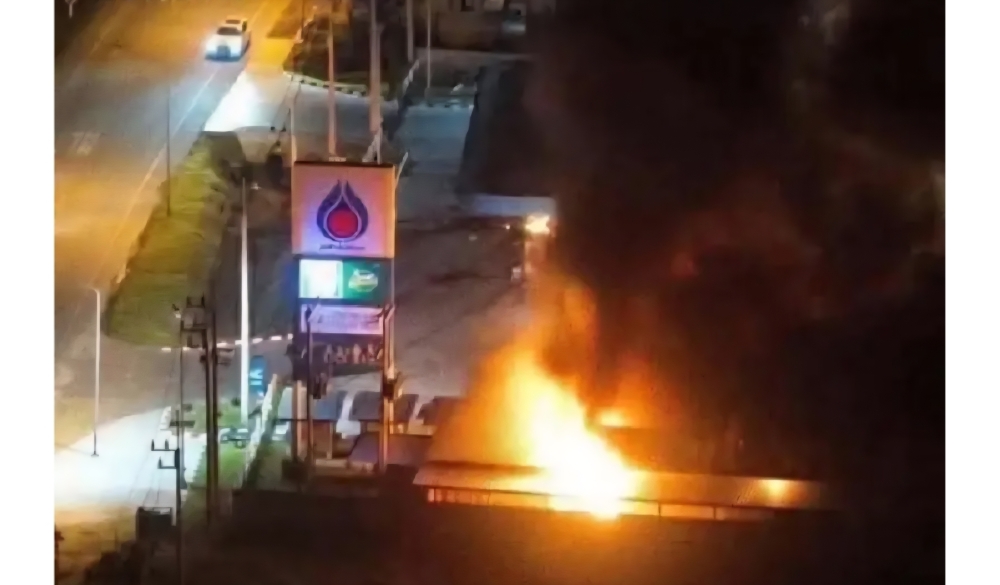
BANGKOK, Jan 11 — A series of late-night bomb attacks targeted 11 PTT petrol stations in Thailand’s southern border provinces of Narathiwat, Pattani and Yala…
www.khaama.com/at-least-eight-refugees-die-37-resc…

At least eight refugees died and 37 were rescued when their boat sank off Badmeli near Izmir, Turkish authorities said on Saturday.
katu.com/news/local/oregon-confirms-first-measles-…

Health officials in Oregon have confirmed the state's first measles cases of 2026, with two people diagnosed in Linn County.
abc11.com/post/measles-north-carolina-state-report…
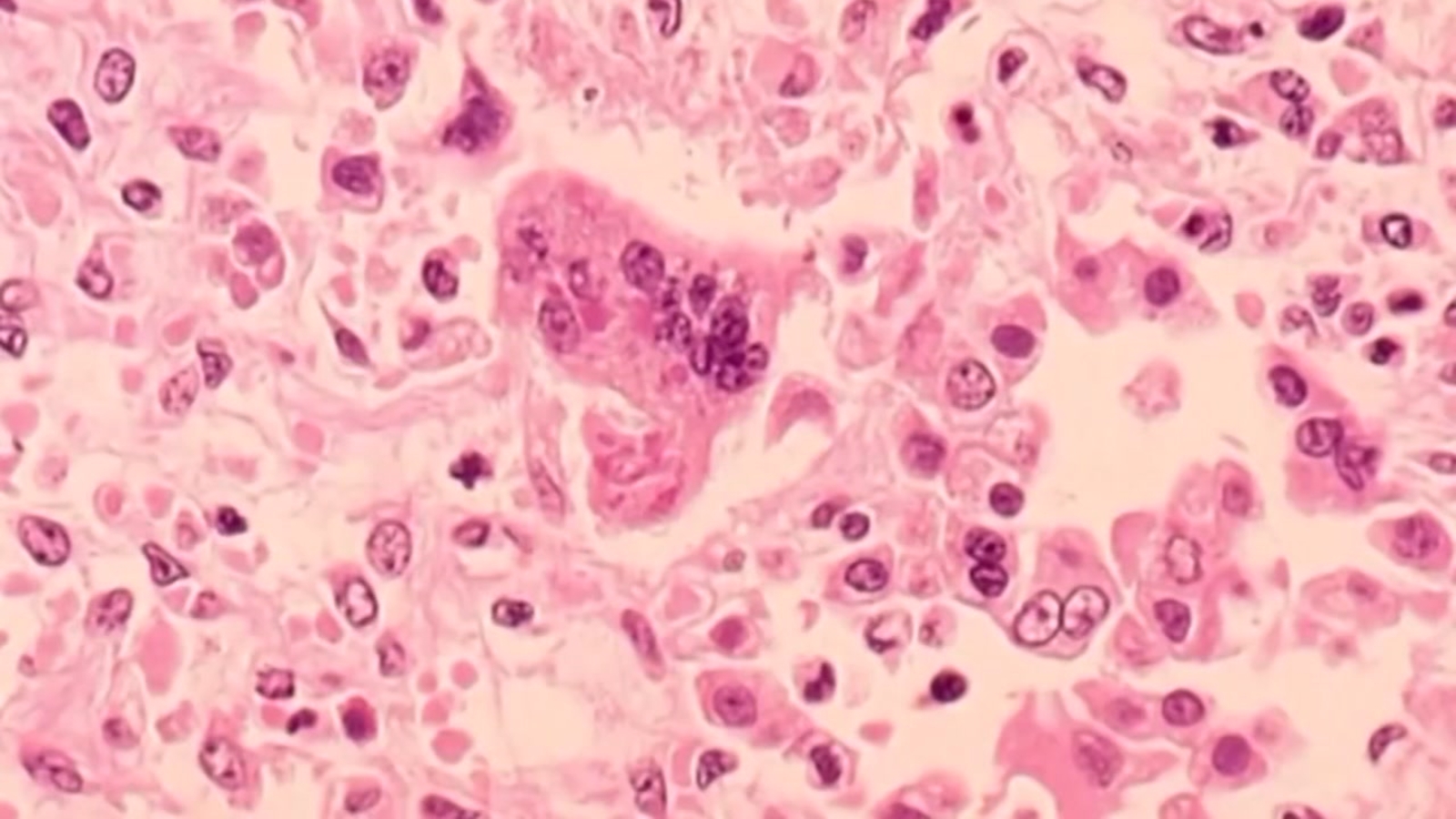
Measles in North Carolina: State reports 5th case linked to South Carolina surge